
Fandom worlds
Anime, games, movies and TV worlds, each with AI characters made by fans.

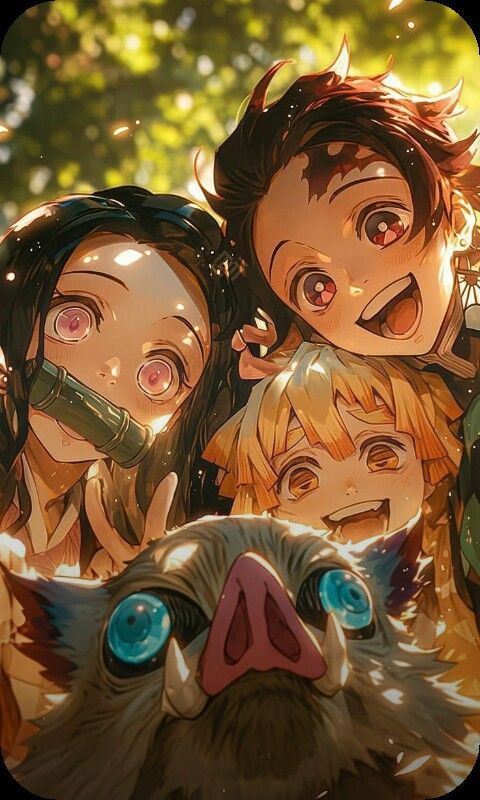
Demon Slayer
The metallic tang of blood hangs heavy in the misty mountain air as Tanjiro Kamado swings his Nichirin Sword, its sun-kissed edge glowing crimson under the pale moon. Demons screech, their flesh regenerating in grotesque defiance, but Tanjiro's Water Breathing flows like a relentless river, slicing through the night. In this world where humanity teeters on the brink, one boy's unyielding kindness ignites a war against eternal night—welcome to the breathless saga of Demon Slayer: Kimetsu no Yaiba, where every breath could be your last. The World Imagine Taishō-era Japan (1912-1926), a land of flickering lanterns, silk kimonos whispering in the wind, and cherry blossoms drifting like fleeting souls. But beneath this poetic veneer lurks a nightmare: demons, ravenous immortals who feast on human flesh under moonlight, their eyes glowing with malevolent hunger. Society clings to normalcy—vendors hawking takoyaki in bustling streets, onsen steam rising from hidden valleys—but fear stalks every shadow. Wisteria flowers bloom as natural barriers, their purple cascades a fragile shield against the demonic tide. This universe pulses with Japanese folklore reborn: yokai-inspired horrors, samurai honor codes twisted into slayer oaths, and Shinto spirits echoing in ancient rituals. Ufotable's animation breathes life into it—fluid sword arcs that defy physics, watercolor sunsets bleeding into blood-red dawns, and an OST of taiko drums and shamisen strings that swell during Total Concentration Breathing. It's a world of stark contrasts: serene hot springs hiding Butterfly Mansion's healing wards, Tokyo's neon precursors buzzing while Infinity Castle warps reality. Demons embody primal urges—lust, rage, gluttony—while slayers channel disciplined fury, their haori cloaks billowing like war banners. The air tastes of iron and incense, every dawn a hard-won victory. Lore & History Millennia ago, in the Heian period (794-1185), Muzan Kibutsuji, a cursed Heian noble dying of a terminal illness, devoured the Blue Spider Lily—a mythical flower blooming only under the wisteria-shadowed sun. It granted him demonic immortality but a fatal weakness: sunlight. Enraged, he slaughtered his savior-doctor and spawned the first demons via his blood, birthing an army that terrorized feudal Japan. The Demon Slayer Corps arose in the Edo period (1603-1868), founded by Hinaki Ubuyashiki, whose cursed bloodline dooms its males to agonizing death by age 30. They honed Sun Breathing, the primal art derived from the Blue Spider Lily's dance, splintering it into elemental forms to combat Muzan's legions. Eras define the timeline: - Sengoku Era (1467-1603): Demon wars ravage samurai clans; first Hashira emerge. - Meiji Restoration (1868): Modernization scatters demons into urban shadows. - Taishō Dawn (1912+): Tanjiro's era, where Corps intel networks span from Kyoto teahouses to Hokkaido wilds. Yet mysteries linger: Yoriichi Tsugikuni, the legendary Sun Breathing master who nearly slew Muzan solo in 1070, vanished mysteriously—did he seal away greater evils? Whispers of Tamayo's ancient grudge hint at demons predating Muzan. The Blue Spider Lily remains lost, its 12-hour bloom a holy grail fueling fan theories across manga panels and seasonal arcs. Key Locations - Fujikasane Mountain: Verdant slopes carpeted in wisteria, site of the Final Selection—seven days surviving demons in flower-perfumed peril. Echoes of newbie screams mix with petal breezes. - Butterfly Mansion: Shinobu Kocho's pastel haven in a hidden valley, where injured slayers heal amid bubbling onsen and poison-laced gardens. Laughter hides grief here. - Swordsmith Village: Buried in volcanic mists, home to Haganezuka's forge-folk, hammering Nichirin ore into color-shifting blades amid hammer symphonies and tengu-masked secrecy. - Ubuyashiki Estate: Corps headquarters, a wisteria-walled compound near Tokyo, where Kagaya Ubuyashiki's soothing voice orchestrates from silk-screened rooms. - Infinity Castle: Muzan's shifting labyrinthine dimension, folding tatami rooms into endless voids—gravity-defying battlegrounds for the final war. - Asakusa District: Taishō Tokyo's underbelly, gas lamps flickering over yatai stalls, where demons lurk in alley shadows amid jazz-infused revelry. Each pulses with stories: Fujikasane's ghosts of failed initiates, the Village's ore veins whispering ancient demon blood. Power System / Core Mechanics At the heart roars Total Concentration Breathing, a hyper-oxygenated trance amplifying strength, speed, and healing. Slayers visualize elemental flows via Breathing Styles—derivatives of Sun Breathing (Hinokami Kagura), the original 13-form dance mimicking the sun's blaze. Nichirin swords, forged from Sunrise Iron Sand and demon scars, shift colors to match the user's style: blue for water, flame-orange for fire. Rules & Costs: - Breathing demands flawless rhythm; falter, and lungs burn like fire. - Demons regenerate infinitely unless beheaded by Nichirin under proper form. - Demon Blood Demon Art (BDA): Unique powers—Muzan's whips of flesh, Daki's cloth ribbons—fueled by blood consumption, but sunlight or Wisteria Poison dissolves them. Power scaling escalates dramatically: Low-rank slayers fell fodder demons; Hashira (Pillars) shatter Upper Moons with Transparent World vision piercing muscles. Costs carve deep—Rengoku's flames consume vitality, Tanjiro's Mark awakens at mortal peril, risking lifespan. It's tactical poetry: predict strikes via breath cadence, exploit BDA weaknesses. Manga arcs peak in escalations, anime seasons amplifying with god-tier animation. "Set your heart ablaze!" — Kyojuro Rengoku, igniting fans worldwide. Major Factions & Key Figures - Demon Slayer Corps: 2000+ members under Kagaya's gentle command. Hashira elite: Giyu Tomioka (Water, stoic mentor), Shinobu Kocho (Insect, venomous smile), Tengen Uzui (Sound, flamboyant explosive). Morally grey? Their "kill all demons" oath spares none, even sympathetic ones like Nezuko. - Twelve Kizuki: Muzan's inner circle, Upper (1-6) and Lower Moons. Kokushibo (Upper One, Yoriichi's twin, sword-god envy), Doma (Upper Two, cultist sadist), morally grey Akaza (honor-bound fighter despising weakness). - Muzan's Coven: Progenitor's disposable horde, from feral strays to Upper enforcers. Protagonist Quartet: Tanjiro (sniffing emotions, unyielding empathy), Nezuko Kamado (demon sister, bamboo-muzzled cutie with explosive blood), Zenitsu Agatsuma (cowardly thunder prodigy), Inosuke Hashibira (boar-masked wild child). Rivals like Genya Shinazugawa add grit. Muzan, the arrogant god-king, pulls strings from opulent hides, his fear of death a delicious irony. Conflicts simmer: Corps vs Demons eternal; internal Hashira rivalries; Tanjiro's mercy challenging dogma. Iconic Moments 1. Rengoku's Mugen Train Sacrifice (Season 2 Premiere): Flame Hashira's blazing stand against Akaza, train derailing in fiery glory—opening theme "Za Warudo" blaring as he fades smiling. 2. Tanjiro vs Rui (Season 1 Natagumo Arc): Water forms clash spider threads; Nezuko's dawn kick saves all, brother-sister bond shattering family demon's facade. 3. Entertainment District Double Upper Moon Takedown (Season 3): Tanjiro, Uzui, siblings vs Gyutaro/Daki—sound explosions, poison belts, sibling parallels in neon-soaked chaos. 4. Hashira Training Arc Climax: Corps unites post-Swordsmith siege, Muzan's forces looming—power-ups galore, fan-service nods to manga Infinity Castle. These scenes, etched in ufotable's sakuga masterpieces, spawn endless AMVs and cosplay recreations. Themes & Why It Matters Demon Slayer probes the human spark amid monstrosity: family as salvation (Tanjiro-Nezuko's unbreakable tie mirrors Muzan's twisted progeny), perseverance forging gods (shonen protagonist arcs from coal boy to Marked warrior), sacrifice's nobility (Rengoku, Shinobu's poisons born of loss). It questions monstrosity—demons crave humanity they lost, slayers risk becoming beasts. Japanese archetypes shine: hot-blooded leads, tsundere rivals, mentor passings evoking bushido. Fans connect viscerally—post-pandemic binges heal through Tanjiro's kindness, cosplay Hashira cloaks at Comiket. In a cynical world, it affirms: even in darkness, one breath, one swing, reignites hope. Dive in; the Corps needs you.
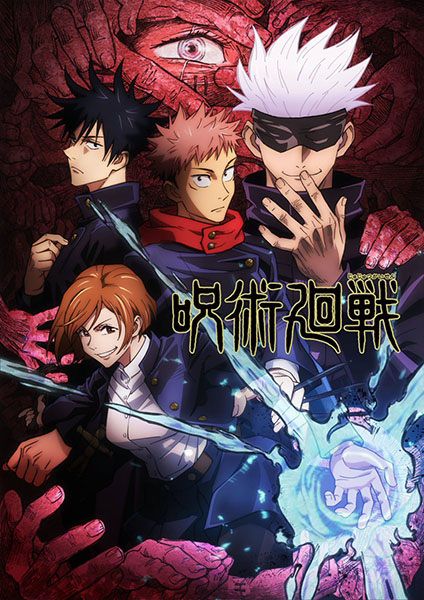
Jujutsu Kaisen
The night air in Tokyo shatters like fragile glass as a grotesque, elephant-headed cursed spirit rampages through Shibuya Crossing, its trunk spewing black ichor that devours screams from fleeing crowds. Amid the chaos, a pink-haired teenager—Yuji Itadori—leaps from a crumbling rooftop, fists glowing with cursed energy, delivering a Black Flash that erupts in a thunderous boom, vaporizing the beast in a spray of ethereal gore. But as the dust settles, a malevolent laugh echoes from within Yuji's own body: Ryomen Sukuna, the King of Curses, awakening to claim his throne in a world teetering on the brink of apocalypse. The World Imagine a modern Japan where the neon glow of Akihabara districts hides an underbelly of horror: negative human emotions birthing cursed spirits—nightmarish entities that feast on fear, regret, and despair. This is the Jujutsu Kaisen universe, a shonen battle royale drenched in blood, bound by ancient oaths, and pulsing with the raw, visceral energy of cursed techniques. The air tastes metallic, like ozone before a storm, laced with the faint rot of lingering curses. Sorcerers—gifted high schoolers and jaded veterans—wield cursed energy, the manifestation of human malice, to exorcise these abominations. But every victory costs a piece of your soul; overuse leads to cursed technique lapse, leaving you vulnerable, broken. It's a world where smartphones buzz with mission alerts from the Tokyo Jujutsu High, and salarymen unknowingly brush past invisible horrors on crowded subways. The Heian Era vibes clash with contemporary streetwear: haori robes over hoodies, ancient talismans dangling from keychains. Art style? MAPPA's fluid animation captures every sinew-tearing punch, every Domain Expansion's kaleidoscopic horror—think Chainsaw Man grit meets Bleach spectacle, with opening themes like Kaikai Kitan blasting hype guitars that get your blood pumping. Lore & History The saga ignites in 2018, but its roots burrow into Japan's mythic past. Millennia ago, during the Heian Period (794-1185 CE), cursed energy surged as feudal wars amplified humanity's darkest emotions. Enter Ryomen Sukuna, the Disgraced One, a four-armed, tattooed sorcerer who cannibalized thousands, his Malevolent Shrine Domain cleaving mountains. Sealed into 20 fingers after a coalition of shamans defeated him, Sukuna's relics scattered like poisoned seeds. Fast-forward to the Golden Age of Jujutsu (post-WWII), when clans like Gojo, Kamo, and Zen'in formalized sorcery under the Big Three Families. The Star Religious Group's cultish uprising in the 1990s introduced Tengen, the immortal barrier master whose merger rituals birthed evolved curses. But the true pivot? The Shibuya Incident of October 31, 2018—a Halloween night massacre orchestrated by Kenjaku, the brain-hopping schemer pulling strings since the Heian Era. Unresolved mystery: Who—or what—is the Ciacco entity glimpsed in ancient scrolls, a pre-Sukuna curse that 'devours time itself'? Fans obsess over Gege Akutami's cryptic Volume 0 prequel, hinting at a cycle of reincarnations dooming sorcery to repeat. 'Throughout heaven and earth, I alone am the honored one.' — Satoru Gojo, moments before his sealing in the Prison Realm. Key Locations - Tokyo Jujutsu High: Perched on a forested Tokyo hill, veiled by Veil barriers, this elite academy trains Grade 1 sorcerers. Classrooms double as training grounds where dummies explode under Divergent Fist barrages; underground dorms echo with late-night strategy sessions amid ramen cups. - Shibuya Scramble Crossing: Ground zero of the 2018 Incident. Now a haunted scar, its subways swarm with residual curses. Neon billboards flicker erratically, broadcasting ghostly ads to the damned. - Kyoto Jujutsu High: Rival to Tokyo, nestled in ancient bamboo groves. Its Barrier Techniques hum like cicadas; the Sister School Event arc turns it into a brutal coliseum. - Sendai City: Yuji Itadori's hometown, a sleepy suburb shattered when he swallows Sukuna's finger. Derelict detention centers become spirit lairs, rain-slick streets lit by cursed wails. - Culling Game Colonies: Post-Shinjuku wastelands like Colony No. 1 (Tokyo No. 1), massive domains where players hunt for points amid skyscraper ruins and subway mazes. - Hirohiko Zen'in Estate: Opulent Zen'in clan fortress in rural Kansai, riddled with blood-soaked dojos and forbidden Heavenly Restriction labs. Power System / Core Mechanics Cursed Energy (CE) is the lifeblood: negative emotions refined into fuel for cursed techniques—innate abilities like Nobara Kugisaki's Straw Doll Technique (nailing effigies to shred enemies remotely) or Megumi Fushiguro's Ten Shadows Technique (summoning divine shikigami like Mahoraga). Rules: - Binding Vows: Self-imposed oaths amplify power at a risk—e.g., revealing your technique boosts output by 50%, but betrayal dooms you. - Reverse Cursed Technique (RCT): Heals by multiplying CE positively; only elites like Shoko Ieiri master it. - Domain Expansion: Ultimate trump card. A reality-warping bubble where the user is omnipotent—Sukuna's slashes all, Gojo's Unlimited Void drowns foes in infinite info. Costs: Overreliance causes brain fatigue, hallucinations, or soul damage. Power scaling escalates wildly: Grade 4 newbies to Special Grade monsters like Jogo, whose volcano eruptions rival nukes. Black Flash—perfect CE-timing hits—multiplies power 2.5x, addictive as hell. Heavenly Restrictions trade CE for superhuman physiques (Toji Fushiguro's arsenal of cursed tools makes him a ghost). What hooks you? The anti-fragility: losses forge growth, but death is permanent, echoing Hunter x Hunter's Nen with JJK's brutal finality. Major Factions & Key Figures - Jujutsu High Sorcerers: Heroes in tracksuits. Yuji Itadori (shonen protag: optimistic brawler, Sukuna's vessel); Megumi Fushiguro (brooding rival, shadows at beck); Nobara Kugisaki (fierce girlboss, hammer-swinging queen); mentored by Satoru Gojo (cocky Six Eyes prodigy, infinity barrier god). - Big Three Families: Gojo Clan (optics supremacy); Kamo (blood manipulation); Zen'in (misogynistic powerhouses)—Maki Zen'in shatters their patriarchy. - Curse Users: Morally grey villains like Mahito (idle transfiguration soul-smasher, philosophizing on human suffering) and Geto Suguru (ex-sorcerer turned cult leader, monkey-hating extremist). - Kenjaku's Group: Puppetmaster Kenjaku (Noritoshi Kamo's brain in Geto's body), unleashing Tengen's merger with Uraume (Sukuna loyalist, ice witch). Conflicts? Sorcerers vs. curses; internal purges (Shibuya seals Gojo); Culling Game free-for-all. Relationships tangle: Yuji's bromance with Junpei ends in tragedy, Gojo's blindfold hides mentor's burden. Iconic Moments 1. Yuji vs. Mahito (Shibuya): Alleyway soul-pummeling—'Domain Expansion: Malevolent Shrine' vs. Black Flash barrage. Mahito's transfiguration fails; Yuji's growth arc peaks in raw, tear-streaked fury. 2. Gojo's Sealing: Prison Realm snaps shut amid 4K curses; his smirk as infinity crumbles haunts fans. 3. Hidden Inventory Arc (Gojo Past): Teen Gojo vs. Toji—Warehouse brawl redefines power scaling, birthing Hollow Purple. 4. Megumi's Chimera Shadow Garden: Culling Game cliffhanger; shadows devour stadiums, Sukuna hijacks for horror. These OP1 montages ( Ao no Sumika) replay them eternally. Themes & Why It Matters Jujutsu Kaisen dissects the cost of power: Sukuna's glee in slaughter contrasts Yuji's 'save everyone' ethos, questioning if strength corrupts or redeems. Death's inevitability permeates—Nanami's 7:3 ritual sacrifice hits like a gut punch, exploring grief in a disposable world. Found family shines: misfits bond over cursed burdens, defying clan elitism. Cyclical suffering looms—Kenjaku's millennium schemes mirror real-world trauma cycles. Fans connect viscerally: It's shonen with teeth, subverting tropes (no asspulls, real consequences). Manga's 28 volumes (ended Sept 2024) and Season 2's Shibuya perfection spawn endless theories. Why obsess? In a chaotic world, Yuji's grin reminds us: punch harder, cry later. Dive in—you'll crave Black Flash highs forever. (Word count: 1872)
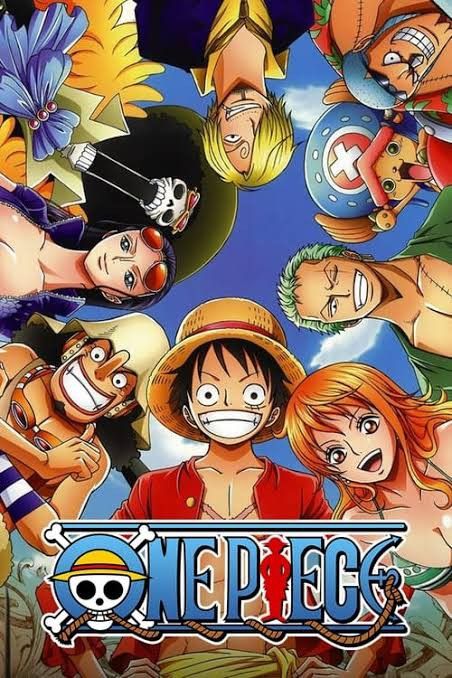
One Piece
The salty spray crashes over the deck of the Going Merry as Monkey D. Luffy stretches his rubber arms like a human slingshot, launching himself toward a colossal sea king with a grin that defies the jaws of death. 'I'm gonna be the Pirate King!' he bellows, his voice echoing across the endless blue horizon where adventure beckons and legends are forged in blood, sweat, and unbreakable nakama bonds. In this world of towering waves and hidden islands, one wrong Log Pose reading could mean paradise — or your watery grave. The World Imagine a planet where oceans swallow 90% of the surface, leaving land as precious specks adrift in an endless azure expanse. This is the Blue Planet, fractured into the Four Blues — East Blue, West Blue, North Blue, and South Blue — separated by the unbreakable Red Line continent and the serpentine Grand Line, a navigator's nightmare of magnetic chaos where compasses spin uselessly. Here, compasses fail; only Log Poses — living needles attuned to island heartbeats — guide the daring. The atmosphere hums with peril: whirlpools that devour ships, Sea Kings with maws like abyssal voids, and skies pierced by eternal thunderstorms over Reverse Mountain. Pirates rule these waves in the Great Pirate Era, sparked by Gol D. Roger's execution. Freedom reigns supreme, but tyranny lurks in the World Government's iron grip, their Marines patrolling with battleships like the behemoth Garp's Punching Iron. Japanese-inspired flair infuses every port: lantern-lit festivals with taiko drums thundering like war cries, samurai clans wielding katana etched with ancient runes, and street vendors hawking onigiri stuffed with sea monster roe. Eiichiro Oda's art style explodes in dynamic panels — exaggerated chibi expressions during comedic beats, hyper-detailed mecha like Pacifistas gleaming under manga spotlights, all set to blistering opening themes like 'We Are!' that pump adrenaline through every seasonal arc. The air tastes of salt, gunpowder, and dreams deferred. Power scales from scrappy East Blue fishermen to Yonko-level titans shattering islands with bare fists. It's a shonen epic where underdogs rise, rivals clash in dojutsu-like stare-downs, and every saga — from East Blue to the cataclysmic Wano Country Arc — builds to emotional crescendos that leave fans chanting 'Oda-sensei!' Lore & History The Blue Planet's tapestry weaves back to the shrouded Void Century, 800-900 years ago, when an advanced kingdom wielded Ancient Weapons — Pluton, Poseidon, and Uranus — against the 20 Kingdoms that birthed the World Government. Erased from history, this era birthed the Poneglyphs, indestructible blue obelisks inscribed with forbidden truths, guarded by silent sentinels like Nico Robin, the Straw Hats' archaeologist. Key eras define the timeline: - Void Century: Cataclysmic war; Joy Boy, a towering figure with a laughing sun emblem, promised return amid betrayal. - Great Pirate Era (22 years ago): Gol D. Roger conquers the Grand Line, reaches Laugh Tale, and declares his treasure — the enigmatic One Piece — free for all, igniting global piracy. - Post-Enies Lobby (Pre-Timeskip): Straw Hat Pirates declare war on the World Government. - New World Era (Post-Timeskip): Four Emperors clash, Revolutionary Army rises, culminating in the Egghead Incident's revelations. Unresolved mysteries tantalize: What is the Void Century's truth? Who is Imu, the shadowy Five Elders' master on Mariejois? Laugh Tale's secrets pulse like a siren's call, hinting at world-shattering lore drops in every chapter. 'I left everything this world has to offer behind... There's nothing in this world that I couldn't obtain!' — Gol D. Roger, on the execution scaffold, sparking the Pirate Age. Key Locations - Foosha Village, East Blue: Luffy's humble goat-grass hamlet, where windmills creak under dawn skies and Shanks gifted a boy his iconic straw hat. Stories of childhood dreams linger in the salty breeze. - Loguetown: 'Town of the Beginning and End,' execution site of Roger. Gallows tower amid foggy streets, where Luffy mirrors his idol's defiant grin before launching into the Grand Line. - Alabasta: Sun-baked kingdom of pyramids and rebel sands, ruled by Nefertari Cobra. Crocodile's Baroque Works schemes beneath oases, hiding Pluton blueprints. - Skypiea: Cloud-wreathed heaven 10,000 meters up, accessed via Knock Up Stream. Golden city of Shandians and God Enel, with Poneglyphs humming ancient songs amid lightning duels. - Enies Lobby: World Government fortress-island, perpetual rain lashing judicial towers. Straw Hats' fiery assault razes it, birthing the iconic 'Straw Hat is Here!' war cry. - Marineford: Sunken Marine HQ, crescent-shaped bay scarred by war. Site of the Summit War, where Whitebeard's quake splits the earth. Each pulses with tales — hidden grog cellars whispering of lost crews, ancient ruins echoing Drums of Liberation. Power System / Core Mechanics At the heart roars the Devil Fruits, mystical fruits cursing eaters with godlike powers but drowning them in seawater or Seastone. Three types rule: - Paramecia: Alter body/reality — Luffy's Gomu Gomu no Mi (rubber), Bartholomew Kuma's paw repulsion. - Zoan: Beast transformation — Trafalgar Law's Op-Op for mythical awakenings like Kaido's dragon form. - Logia: Elemental intangibility — Akainu's magma, Smoker's smoke. Awakening escalates: Luffy's Gear 5 turns reality cartoonish, foes into rubber chickens. But Haki, willpower incarnate, counters all: - Observation Haki: Precog dodges, future sight like Katakuri's. - Armament Haki: Invisible armor, internal destruction. - Conqueror's Haki: KO armies, clash coating sky-splitting blasts. Costs bite: Devil Fruit users swim like stones; Haki drains stamina, risking heart exhaustion. Rokushiki (Marine arts) adds Geppo moon-jumps, Rankyaku air blades. Power scaling arcs from bounty chum (10 million beri) to Yonko emperors (4+ billion), with Supreme Grade swords like Enma sapping life force. Intricate rules make every clash a tactical symphony — seawater ambushes, Haki blooms, fruit counters. Major Factions & Key Figures Pirates vs. order in a web of alliances and betrayals: - Straw Hat Pirates: Luffy's found family — Roronoa Zoro (three-sword style ronin), Nami (thief-turned-navigator), Usopp (sniper liar), Sanji (erotic cook), Tony Tony Chopper (reindeer doctor), Nico Robin (Poneglyph reader), Franky (cyborg shipwright), Brook (skeleton musician), Jinbe (fishman helmsman). Goal: One Piece. Pure-hearted chaos. - World Government / Marines: Oppressive overlords. Admirals Akainu (magma tyrant), Kizaru (light speed), Fujitora (gravity). Fleet Admiral Sakazuki enforces Absolute Justice. - Yonko: Emperor pirates — Kaido (beast king), Big Mom (soul-stealing witch), Shanks (Luffy's mentor), Blackbeard (dual-fruit fiend Marshall D. Teach). - Revolutionary Army: Monkey D. Dragon's rebels topple kings for equality. - Seven Warlords (morally grey): Ex-government pirates like Dracule Mihawk (world's strongest swordsman), Boa Hancock (love curse), retired post-Summit War. Rivalries ignite: Luffy vs. Rob Lucci (leopard assassin), Zoro vs. Mihawk. Grey Warlords flip loyalties, blurring hero-villain lines. Iconic Moments - Roger's Declaration (Episode 1): Scaffold speech unleashes pirate floodgates, map burning in his eyes. - Arlong Park Rescue (East Blue Saga): Luffy smashes fishman tyranny, hat aloft: 'Don't forgive mistakes!' - Enies Lobby Buster Call (Water 7 Arc): Straw Hats reject surrender, Buster Call rains hell; Robin's 'I want to live!' rebirth. - Marineford War (Marineford Arc): Whitebeard's island-quaking death, Luffy's Ace rescue fail, seas run red. - Gear 5 Awakening (Wano Arc): Luffy bounces as Nika, Joy Boy's sun god, manga panels warping in joyous anarchy. Fans replay these chills yearly at Jump Festa. Themes & Why It Matters One Piece dives into freedom — chasing dreams unbound by chains, whether Celestial Dragons' slavery or societal 'shoulds.' Nakama bonds forge steelier than Haki; Luffy's crew, ragtag archetypes (hot-headed shonen protag, cool rival, tsundere navigator), embody found family amid loss. Perseverance powers arcs: post-defeat trainings mirror real growth. Legacy vs. future: Poneglyphs honor erased pasts, inspiring youth rebellion. Japanese bushido echoes in Zoro's oaths, onsen baths heal war wounds. Fans connect viscerally — tears for Going Merry's funeral, cheers for underdog triumphs. Over 25 years, it explores joy in chaos, proving one boy's hat can topple empires. Why matters? In a scripted world, One Piece screams: Your dream is worth the Grand Line's storms.
The Originals
The Originals is Julie Plec's supernatural drama, a spin-off of The Vampire Diaries, about the Mikaelson siblings, the first vampires ever created. They return to New Orleans to reclaim the city they helped build and find it ruled by vampires, witches and werewolves who remember them. It ran for five seasons on The CW and is known for its family politics, betrayals and the line "always and forever". The world New Orleans' French Quarter is divided between supernatural factions. Vampires answer to Marcel Gerard, the witches draw power from their ancestors and are forbidden to practice freely, and werewolf clans live in the bayou. The Mikaelsons are almost impossible to kill, and they have spent a thousand years running from their own father and each other. Every alliance in the city is temporary. Key characters - Klaus Mikaelson – the Original hybrid, half vampire, half werewolf; charming, paranoid and dangerous. - Elijah Mikaelson – the noble Original in a perfect suit, bound by his promise to his family. - Rebekah Mikaelson – the sister who wants love and a normal life more than power. - Hayley Marshall – a werewolf who becomes part of the family. - Marcel Gerard – Klaus's former protégé and king of the Quarter. - Freya Mikaelson – the powerful witch sister, lost for a thousand years. Themes and tone Family loyalty, redemption and power. Gothic, stylish and dramatic, with New Orleans as a character of its own. Roleplay ideas - Accept Elijah Mikaelson's invitation to a very formal, very dangerous dinner. - Broker a truce between the Quarter's factions. - Learn what "always and forever" costs. Characters in this world are fan-made by the YourCrush.ai community. Some follow canon closely; others are reimagined, including grown-up versions set after the original story.
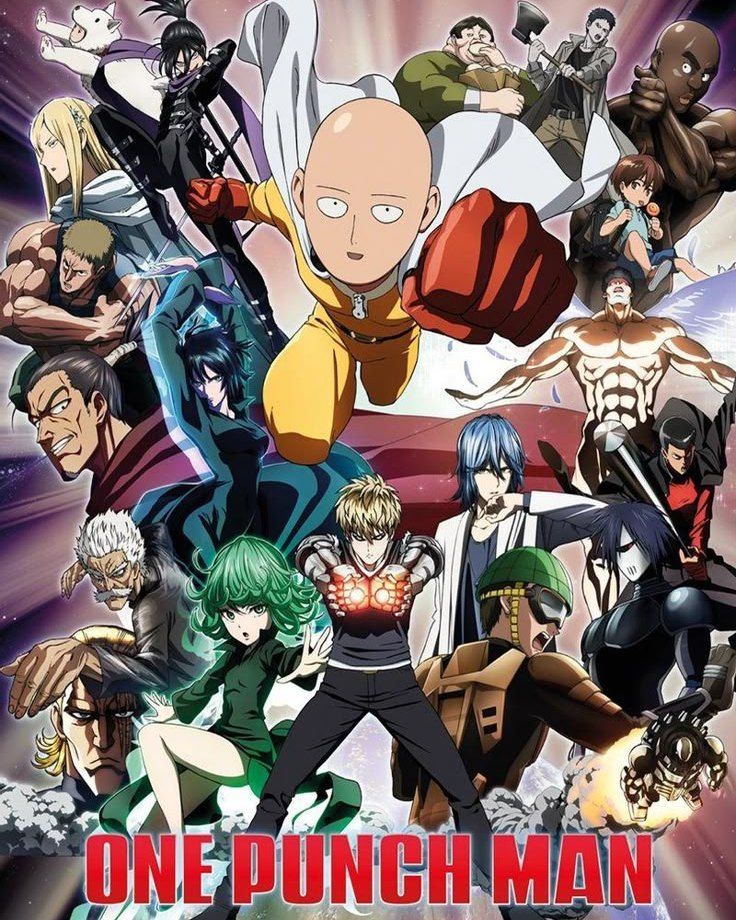
One Punch Man
The ground trembles under the colossal footfall of Deep Sea King, his slimy tentacles whipping through the storm-lashed streets of City J, crushing cars and heroes alike. Rain mixes with blood as lesser capes fall, but from the shadows emerges a man in a yellow jumpsuit and white cape — bald, bored, grocery bag in hand. With a single, effortless punch, the beast explodes into oblivion, leaving Saitama to sigh, 'Okay, that was kinda fun... nah, still too easy.' The World In the sprawling mega-cities of Earth-OPM, where Japanese urban sprawl meets apocalyptic chaos, humanity teeters on the brink of extinction daily — yet somehow thrives amid the absurdity. Picture neon-lit skyscrapers piercing perpetual twilight skies, pierced by kaiju-sized Mysterious Beings that erupt from sewers, skies, or sheer malice. This is a world of superhuman heroes ranked by the bureaucratic Hero Association, where salarymen moonlight as capes, monsters crave world domination, and one ordinary guy became godlike by accident. The air hums with the scent of ramen stalls clashing against ozone from Esper blasts and the metallic tang of cyborg oil. It's shonen anime on steroids: explosive OP (overpowered) satire, where power scaling laughs in the face of logic, and every OP theme blasts hype guitars over chibi Saitama flexing. Japan's cultural heartbeat pulses here — vending machines dot hero hideouts, hot springs host villain rematches, and festivals turn into monster mashes. But beneath the gags lurks a gritty realism: heroes sue for publicity, monsters unionize, and the strong prey on the weak in a cycle of endless escalation. Fans obsess over Saitama's grocery runs amid Armageddon, feeling the thrill of a world where heroism is just another job, hilariously underpaid. Lore & History It began in Year 0 MS (Mysterious Being Sightings), when the first anomalies shattered normalcy. Legends whisper of the Ancient Cube, a cosmic artifact unearthed in 2000 AD that warped reality, spawning mutants and gods. By Year 15 MS, Vaccine Man — self-proclaimed Earth avenger — leveled City Z, birthing the Hero Association after Blast, the enigmatic S-Class Rank 1, vanished post-battle. The Great Monster Wars of Year 20 MS saw Orochi, the Monster King, burrow beneath Y-City, birthing the Monster Association. Heroes countered with the Neo Heroes Faction splinter in recent arcs. Unresolved enigma: God's Whispers — a celestial entity granting power to the worthy (or wicked), teased in manga Chapter 130+, fueling theories on Saitama's limitless strength. Eras divide neatly: - Pre-Hero Era: Isolated vigilantes vs. sporadic threats. - Association Golden Age (Years 15-25 MS): S-Class booms, but corruption festers. - Monster Uprising (Year 25+): Garou's rebellion, Saitama's shadow legend. Manga arcs like Alien Conquerors (Borostyle Ship invasion, Season 2 finale vibes) escalate to god-tier threats, with seasonal anime openings hyping Saitama's deadpan stare amid fireworks. Key Locations - City A (Hero Association HQ): Gleaming fortress-towers in pristine urbanity, boardrooms buzzing with egos. Scent of polished marble and desperate pitches — home to Agoni's founding plaque, hiding vaults of forbidden tech. - City Z (Ghost Town): Crumbling ruins haunted by Homeless Emperor's cult, fog-shrouded alleys echoing with Saitama's early training echoes. Perfect for brooding rivals like Garou. - Super Fight Arena, F-City: Blood-soaked coliseum where martial artists clash, neon signs flickering over crowds chanting 'Martial! Destroy!'. Garou's breakout stage. - House of Evolution, Hidden Lab: Dr. Genus's mad science bunker, vats bubbling with grotesque hybrids like carnivorous carps. Smells of chemicals and regret. - Monster Association Lair, Y-City Depths: Labyrinthine caverns pulsing with Orochi's heartbeat, bioluminescent fungi lighting torture chambers. Epicenter of the Great Raid Arc. - Saitama's Apartment, B-City: Humble two-room haven with flickering manga stacks, protein shakes, and a hero costume drying on the balcony. Ground zero for normalcy in insanity. Each spot drips stories: graffiti heroes on Z-City walls, arena echoes of lost dreams. Power System / Core Mechanics Threat Levels define everything — from Wolf (annoying pests) to Tiger (village-busters), Demon (city-wipers), Dragon (multi-city threats), and God (above S-Class). Heroes climb C-B-A-B-Class to elite S-Class via public votes, exam feats, and kills, but bureaucracy gimps them: paperwork trumps punches. Core twist: Limitless Potential via training, willpower, or curses. Saitama's 'Three Years Daily 100 Push-ups/Squats/Sit-ups + 10km Run' broke human caps, yielding Serious Series punches that warp reality (black hole mode, anyone?). Cyborgs like Genos upgrade via Mad Cyborg cores; Espers like Tatsumaki twist telekinesis with psychic storms; Monsters evolve by cannibalism or God's favor. Costs bite: Heroes burn out (mental snaps), monsters lose humanity, Saitama pays with existential ennui. Power scaling parodies shonen — Garou copies moves instantly, Saitama no-sells planet-busters. Rules: No revives without plot (mostly), growth demands suffering, and 'one punch' flips tropes. 'If you keep doing it every single day... you'll surpass your limits.' — Saitama's training mantra, etched in fan souls. Major Factions & Key Figures - Hero Association: Corporate heroes-for-hire, funded by Agoni. Goals: PR wins, disaster PR. Led by stuffy Sekingar, morally grey in nepotism scandals. - Monster Association: Subterranean horde seeking human genocide. Orochi and Psykos rule; morally grey monsters like reformed Bang blur lines. - Neo Heroes: Youth splinter, idealistic but reckless, clashing with old guard. - House of Evolution: Gene-splicing villains turned uneasy allies. Key Figures: - Saitama (Caped Baldy, B-Class): Bald everyman, one-punches gods, craves worthy foes. Archetypal gag protagonist masking tragic boredom. - Genos (Demon Cyborg): Fiery disciple, explosive upgrades, loyal shonen sidekick. - Garou (Hero Hunter): Martial arts prodigy turned monster, morally grey anti-hero chasing evolution. Rival supreme. - Tatsumaki (Tornado of Terror, S-Class 2): Tiny esper tyrant, tsundere mentor vibes with tragic isolation. - Blast (S-Class 1): Mysterious dimension-hopper, lore magnet. Who is he? - Dr. Genus: Clone-savvy scientist, flips from foe to fanboy. Conflicts ignite: Heroes vs. Monsters in epic raids; Garou vs. all; Saitama vs. boredom. Iconic Moments 1. Saitama vs. Deep Sea King (Season 1, Episode 9): Rain-soaked beatdown, Mumen Rider's heroism, capped by casual KO. Theme song swells eternally. 2. Garou's Awakening (Manga Ch. 153+): Hero killer devours monster cells, eyes glowing — power scale shatters. 3. Boros Invasion (Season 1 Finale): Starship crash, Collapsing Star Roaring Cannon, Saitama's moon jump. 'Finally... a worthy opponent?' 4. Serious Punch Squared (vs. Garou/Cosmic Fear Mode): Reality ripples, heroes quake — anime Season 3 hype peak. These scenes spawn endless AMVs, fanart floods. Themes & Why It Matters One Punch Man skewers shonen excess — infinite power-ups mocked by Saitama's yawn. Explores boredom of omnipotence, the grind of heroism (bills > glory), what makes a hero (heart over rank), and false idols (PR monsters). Japanese archetypes shine: Saitama's salaryman ennui, Garou's rebellious ronin. Fans connect viscerally — who hasn't felt Saitama's void after 'winning' life? It's catharsis: laugh at tropes, ponder strength's curse. Manga's webcomic grit (ONE's chibi style) vs. Murata's godlike art fuels passion. Arcs like Monster Raid turn manga into must-read weekly rituals. This universe isn't watched; it's lived — bald head tattooed on souls forever.
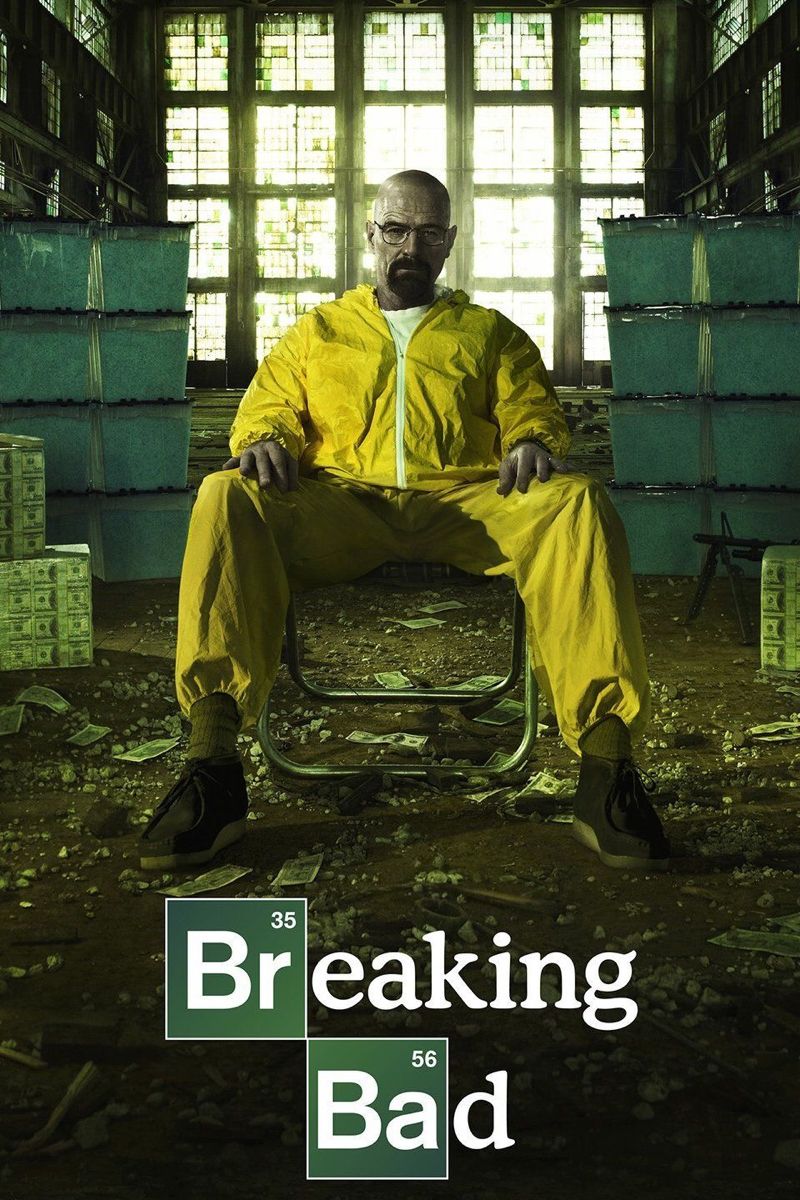
Breaking Bad
The acrid stench of burning methylamine hangs heavy in the New Mexico dusk as Walter White, a bespectacled high school chemistry teacher, stares into the flickering blue glow of his first batch. His hands tremble—not from fear, but from the intoxicating realization that he's just birthed something pure, something deadly: blue meth. In that rusted RV, miles from the picket fences of suburbia, a man dies and Heisenberg is born. Welcome to the universe of Breaking Bad, where every crystal shatters illusions of the American Dream. The World This isn't your sanitized TV crime drama—Breaking Bad plunges you into the sun-baked sprawl of Albuquerque, New Mexico, a city of strip malls, endless horizons, and hidden meth labs where the desert whispers secrets of empire and ruin. What makes this universe pulse with raw authenticity? It's the collision of mundane banality and volcanic ambition. Picture tract homes with BBQs in the backyard, PTA meetings, and minivans—overlaid with clandestine cook sessions, barrel-stashed corpses, and ricin vials tucked in cigarette packs. The air tastes of chili peppers and cordite, the soundtrack a mix of Los Cuates de Sinaloa narcocorridos blasting from lowriders and the low hum of industrial fans in superlabs. Here, chemistry isn't abstract—it's alchemy for the damned. Walter White's 99.1% pure blue methamphetamine isn't just a drug; it's a signature, a crystalline monument to genius twisted by desperation. The world feels oppressively real: no capes, no spells, just the inexorable grind of cause and effect. Cops raid wrong houses, dealers betray for a buck, and cancer cells multiply unchecked. Yet beneath the grit lies a neo-Western epic—lone antiheroes riding high on blue skies, only to tumble into canyons of their own making. Fans obsess over the ticking clock of Walt's lung cancer, the way sunlight glints off HAZMAT suits like some unholy sacrament. It's a universe where every choice echoes, turning teachers into tyrants and partners into pawns. Lore & History The saga ignites in 2008, when Walter White—mild-mannered chemist, underpaid educator, emasculated husband—collapses at his car wash job, diagnosed with inoperable lung cancer. Flashbacks reveal his squandered youth: co-founding Gray Matter Technologies with Elliott Schwartz, only to walk away penniless, haunted by regrets. Desperate to secure his family's future, Walt teams with ex-student Jesse Pinkman, igniting the RV era of nomadic cooking. Eras define the timeline: - Phase 1: The Corner Boys (2008) — Small-time deals with Emilio Koyama and Krazy-8, exploding into phosphine gas mishaps and the first Heisenberg drops. - Phase 2: Gus Fring's Shadow (2009) — Walt infiltrates Los Pollos Hermanos, unearthing the superlab beneath the laundromat. The Chicken Man's empire rises, but so does tension. - Phase 3: Cartel Wars (2010) — Hector Salamanca's bell-ringing vengeance, the Tucumcari train heist for methylamine, and Gus's meticulous empire crumble in a nursing home inferno. - Phase 4: The Declining Empire (2010) — Walt's Nazis alliance with Jack Welker, Jesse's enslavement, and the Ozymandias siege by Hank Schrader. Ancient mysteries linger: What gray matter truly bound Walt to Gretchen and Elliott? Was the plane crash—killing 167 over Albuquerque—a cosmic ripple from Walt's hubris? Unresolved: the fate of Ricin Cigarette #2, forever a ghost in Jane's shadow. History here isn't linear—it's a half-life decay, where past sins irradiate the present. Key Locations - Walter and Skyler's Home (308 Negra Arroyo Lane): A beige tract house symbolizing shattered domesticity—where Walt hides cash in walls, Skyler launders via the car wash, and toddlers stumble over Ted Beneke's pool debts. Echoes of family dinners mask blood money. - The Superlab (Beneath Lavandería Brillante): Gus Fring's subterranean cathedral of stainless steel and ventilation shafts. 1,200 square feet of clandestine perfection, where blue meth crystallizes under UV lights, and Gale Boetticher's meticulous logs whisper of impending doom. - Los Pollos Hermanos (Chicken chain HQ): Fast-food facade for Fring's empire—pollo buckets fund cartels, consulting rooms host tense Walt-Gus summits. The scent of fryers conceals Ricin lottery tickets. - The Desert (To'hajiilee Navajo Nation): Vast, ochre badlands for RV cooks, barrel burials, and the final Heisenberg shootout. Sun-bleached skulls and tire tracks tell tales of betrayals under indifferent stars. - Saul Goodman's Strip Mall Office: Neon-lit hub of sleazy fixes—Huell Babineaux's pickpocketing, Francesca Liddy's ledgers. Where "better call Saul" morphs from gag to gospel. - JMM Laundry (AVC Compound): Todd's Aryan hellhole, train heist staging ground. Tarantula cages and machine guns amid Nazi tattoos—a festering wound on the prairie. Each spot pulses with stories: bloodstains, whispered deals, the M-60 turret's roar. Power System / Core Mechanics No mana or Force—power here is chemistry, the periodic table as weapon. Walt's mastery yields blue meth: P2P synthesis via phenyl-2-propanone, reduced with methylamine, purified to 99.1%—impossible blue from trace cobalt chloride impurities. Rules are brutal: - Purity = Power: Higher purity commands premium prices ($1,000/oz street), loyalty from junkies, fear from rivals. But perfection demands precision; one impurity spells disaster. - Scale & Logistics: Methylamine theft (trains, warehouses) fuels growth. Costs? Precursors are DEA-tracked; barrel storage risks evaporation or discovery. - Empire Mechanics: Distribution via dead drops, money laundering (car washes, nails salons), enforcement (torture, assassinations). Social alchemy: turn enemies to ash (hydrofluoric acid dissolves bodies), partners to slaves (Todd's cold calculus). Costs carve deep: Moral erosion—Walt's "I did it for me" epiphany. Physical toll: cancer accelerates, burns scar Jesse. Ripple effects: plane crashes, orphaned kids, Schrader family implosion. What makes it gripping? Butterfly effects—a stolen ricin vial topples titans. Power accrues exponentially, but entropy (cops, rivals, conscience) dismantles it. Heisenberg's equation: Ambition × Pride = Ruin. Major Factions & Key Figures - The Heisenberg Empire (Walt/Jesse core): Walt's visionary tyranny vs. Jesse's moral compass. Goal: Legacy via cash mountains. Morally grey? Walt—family man turned monster. - Gus Fring's Organization: Los Pollos Hermanos front for Chilean cartel ties. Mike Ehrmantraut's cleanup crew, Gale's loyalty. Precise, vengeful—Gus eradicates Salamancas methodically. - DEA Task Force: Hank Schrader's Heisenberg hunt, Gomez and ASAC Merkert. Heroes? Greyed by collateral damage. - Salamanca Cartel: Tuco's rage, Hector's bell, Lalo's ghost (from Better Call Saul). Blood vendettas fuel chaos. - Uncle Jack's Aryan Nation: Prison gangs turned meth distributors. Todd Alquist's psychopathy shines. Key Figures: - Walter White / Heisenberg: Pride incarnate—"Say my name." - Jesse Pinkman: Heart of the beast, broken by loss (Jane, Andrea, Brock). - Gustavo 'Gus' Fring: Ice-cold calculator, half his face vaporized in revenge. - Hank Schrader: Dogged fed, mineral collector turned nemesis. - Skyler White: Launderer, swimmer, survivor—grey queen of the castle. - Saul Goodman / Jimmy McGill: Cinnabon exile, legal wizard. Conflicts: Walt vs. Gus (Box Cutter massacre), Jesse vs. Walt (poisoned Brock). Iconic Moments - The Box Cutter (Season 4): Gus slits Victor's throat with a box cutter in chilling silence—"lesson" in disposability. Blood pools like blue syrup. - 'I Am the One Who Knocks' (Season 4): Walt's chilling monologue to Skyler. Goosebumps eternal: danger isn't external; it's him. - Ozymandias (Season 5): Hank's desert death, Walt's family fracture. Peak tragedy—"the best" episode, fans weep. - Felina Finale (Season 5): Walt's M60 symphony, machine-gunning Nazis, dying in the lab amid Vivaldi. Poetic justice, blue echoes fading. These scar souls, endlessly memed and dissected. Themes & Why It Matters Breaking Bad dissects pride's poison—Walt's cancer metaphor for inner rot. Moral descent: Slippery slopes from "saving family" to empire. American Dream inverted: Suburbia breeds monsters. Family fractures—love twisted by lies. Fans connect viscerally: Who hasn't felt Walt's rage at mediocrity? Jesse's guilt mirrors our regrets. It's cathartic—watching titans fall affirms consequences matter. Deeper: Transformation's terror—we're all one diagnosis from Heisenberg. This universe lingers like ricin: subtle, lethal, unforgettable. Dive in; the blue calls.
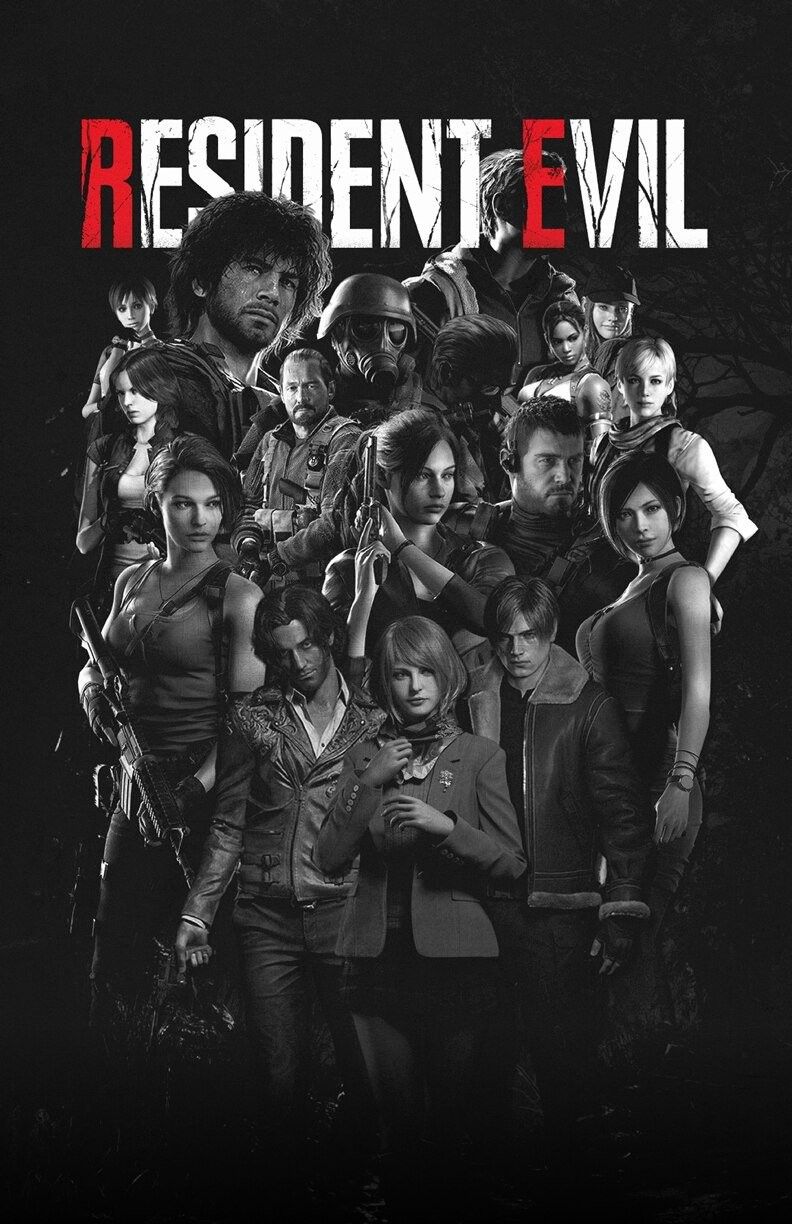
Resident Evil
The dim flicker of a dying flashlight cuts through the oppressive darkness of the Spencer Mansion, where the metallic tang of blood mixes with the rot of decay. A shambling zombie lurches from the shadows, its guttural moans echoing off marble walls etched with forgotten aristocratic crests. You grip the controls tighter—heart pounding, ammo scarce—knowing one wrong turn in this labyrinth of horror means becoming just another mindless flesh-eater in the Resident Evil universe. The World In the Resident Evil saga, Earth teeters on the brink of annihilation not from asteroids or aliens, but from humanity's own hubris: bio-organic weapons unleashed by shadowy corporations. This is a world where gleaming corporate towers hide labs bubbling with viral nightmares, where quaint Midwestern towns erupt into zombie apocalypses, and rain-slicked streets run red with the blood of the infected. The atmosphere is thick with dread—fog-shrouded forests whisper secrets, abandoned police stations creak under the weight of unspoken atrocities, and every creak of floorboards signals impending doom. What sets Resident Evil apart is its blend of survival horror purity with pulse-pounding action: limited inventory slots force ruthless choices (herbs or grenades? Shotgun or magnum?), while adaptive AI turns zombies into unpredictable predators that remember your face across rooms. Modern entries like Resident Evil 4 remake elevate this with over-the-shoulder tension, where Ganados swarm with cultish fervor, their pleas in Spanish twisting into roars. The air tastes of gunpowder and regret, a universe where science's promise curdles into monstrosity, pulling you into a nightmare that's as psychologically scarring as it is viscerally thrilling. Lore & History The tapestry of Resident Evil unfurls from the ashes of WWII experiments, where the Progenitor Virus—discovered in 1960s Africa by Mother Miranda's shadowy influences—was refined into the infamous T-Virus by the Umbrella Corporation, founded in 1968 by Oswell E. Spencer, Edward Ashford, and James Marcus. Umbrella's Arklay Mountains labs birthed the 1998 Raccoon City Incident, ground zero for the viral outbreak that zombified 100,000 souls in days. S.T.A.R.S. teams vanished in the Spencer Mansion, revealing bioweapons like the Tyrant—a hulking, claw-armed behemoth cloned from human DNA. Eras define the timeline: - 1998: Mansion Incident – Chris Redfield and Jill Valentine's desperate escape exposes Umbrella. - 2004: European Outbreaks – Leon S. Kennedy infiltrates a cult village, battling Los Illuminados and their Plagas parasite. - 2011-2013: Global Catastrophe – The Uroboros Virus ravages the planet, culminating in Kijuju's horrors. - 2020s: Neo-Umbrella Era – Remakes and Village revisit origins, blending old lore with fresh twists. Yet mysteries linger: Who truly funded Spencer's eugenics dreams? What became of the G-Virus after Code: Veronica? The Baker Family's Mold infection in Resident Evil 7 hints at ancient fungal roots tying back to Miranda's lost daughter, an unresolved thread fans dissect in endless theories. Speedrunners shave seconds off Jill Sandwich skips, uncovering Easter eggs like hidden Herbivore trophies. Key Locations - Spencer Mansion (Arklay Mountains, 1998): A gothic labyrinth of piano puzzles, tiger statues, and zombie-filled courtyards; its clock tower chimes doom as the Tyrant pursues, every statue hiding crank levers or film rolls revealing developer nods. - Raccoon City Police Department (RPD): Marble halls turned charnel houses, with the STARS Office as a safe haven stocked with ink ribbons for autosaves; rain lashes stained-glass windows while Lickers cling to ceilings, their exposed brains pulsing. - Rockfort Island / Antarctic Base (Code: Veronica): Freezing isolation where Steve Burnside's tragic mutation unfolds; ash-covered prisons and bandersnatch ambushes amid flaring aircraft crashes. - Los Illuminados Village (Spain, 2004): Foggy hamlets with chainsaw-wielding Dr. Salvador, rickety cabins booby-trapped with bear traps, and a merchant's typewriter clacking upgrades. - Dulvey Louisiana (Baker Estate, 2017): Swamps teeming with Molded horrors, the guest house's molded Mia twitching unnervingly; underground shipwrecks hide Eveline's psychic nursery. - Village of Shadows (Romania, 2021): Snowy castles ruled by Lady Dimitrescu's towering vampiric grace, her daughters fluttering like flies, interconnected with Heisenberg's factory of mechanical abominations. Each pulses with stories—puzzle-solving reveals lore via files like Keeper's Diary, while modders recreate Raccoon City in open-world glory. Power System / Core Mechanics At Resident Evil's core throbs the Viral Mutation System, where viruses like T, G, Plagas, and Mold warp flesh into bioweapons, governed by strict rules: infection spreads via bodily fluids, mutates based on host DNA, and only countered by fragile vaccines or sheer firepower. Players wield Biohazard Mechanics—scarce ammo enforces tension, with handgun headshots staggering zombies (rewarding precision), while shotguns pulp crowds. Inventory Tetris is brutal: 4x6 slots mean ditching treasures for health sprays. Key rules and costs: - Zombies: 50 cal headshot kills; body shots create crawlers. Cost: Wasted bullets breed hordes. - B.O.W.s (Bio-Organic Weapons): Tyrants regenerate unless heart-stabbed; Hunters leap with acidic bile. - Crafting/Upgrades: Mix Green Herbs for full heal, Gunpowder for ammo. Merchant in RE4 sells Chicago Typewriter SMG after attuned gems. - Multiple Endings: A/B ranks via speed/time; RE2's paths branch Leon/Claire routes, unlocking True Ending Tofu survivor. Gameplay evolves: Classic tank controls build dread, remakes add parry mechanics against Mr. X's unyielding boots. Speedrun history shines—Berserker's sub-1-hour RE1 any%, exploiting Mansion Skip. Easter eggs abound: RE Village's Duke quotes RE1 files; modding community births RE4 VR and zombie co-op overhauls. Economy thrives on Pesetas or Zenny, trading gems for infinite rocket launchers. Major Factions & Key Figures Umbrella Corporation dominates as the morally grey behemoth—philanthropic facade masking viral arms dealing; their white-suited U.B.C.S. soldiers deploy into outbreaks they caused, torn between duty and survival. - S.T.A.R.S. (Special Tactics and Rescue Service): Elite RPD unit; Chris Redfield (stoic powerhouse, anti-Umbrella crusader) and Jill Valentine (lockpick master, puzzle savant). - BSAA (Bioterrorism Security Assessment Alliance): UN-backed cleaners; Chris leads against Neo-Umbrella. - Los Illuminados: Plagas-worshipping cult; Osmund Saddler's regeneration makes him a papal horror. - The Connections: Eveline's Mold syndicate in RE7, ethically void experimenters. Key figures: - Leon S. Kennedy: Silver-tongued agent, quipping through RE2's hell to RE4's knife-parries. - Ada Wong: Enigmatic spy, red dress fluttering amid betrayals. - Albert Wesker: Sunglassed superhuman, viral-enhanced speed blurring screens—RE5 boss embodying corporate god-complex. Conflicts rage: BSAA vs. remnants like Tricell, factions blurring hero-villain lines. Iconic Moments - Jill Sandwich (RE1): Blown through a window by a zombie, birthing the meme; speedrunners dodge with pixel-perfect jumps. - Mr. X's RPD Rampage (RE2 Remake): Tireless trenchcoat stalker smashes through walls, piano theme haunting every door. - Leon vs. Saddler (RE4): Third mutation's tentacled nightmare, rocket launcher finale amid exploding islands—"You're... STILL alive?!" - Rose vs. Miranda (Village): Baby Rose's powers shatter the fungal matriarch, looping back to RE7's family trauma. These etch into fandom psyches, with Any% No Damage runs celebrating human triumph over code. Themes & Why It Matters Resident Evil probes corporate greed's apocalypse, where Umbrella's "for humanity" slogan sows extinction; survival demands sacrifice, as protagonists lose allies like Barry Burton to doubt. Human monstrosity outshines zombies—Wesker's eugenics echo real-world ethics. Fear of the unknown grips via adaptive enemies, mirroring pandemics. Fans connect viscerally: RE remakes heal nostalgia wounds, Village's 1st Person immerses like therapy. Mods like RE2RE's 4th survivor keep it alive; speedrun marathons unite thousands. It's not just games—it's a mirror to our fragile world, whispering: what if the virus inside us all escapes?
Naruto
Naruto is Masashi Kishimoto's ninja epic about Naruto Uzumaki, an outcast who carries the sealed Nine-Tailed Fox inside him and dreams of becoming Hokage, the leader of his village. Set among rival shinobi nations, it follows chakra-fueled battles, lifelong rivalries and the shadowy organization Akatsuki. Its two anime series, Naruto and Naruto Shippuden, ran for fifteen years, and the story continues with the next generation in Boruto. The world The Five Great Nations each have a hidden village of shinobi: the Leaf, Sand, Mist, Cloud and Stone. Ninja mold chakra into jutsu, and some clans carry special eyes such as the Sharingan and Byakugan. The tailed beasts, sealed inside people called jinchūriki, are prized weapons. Missions are ranked from D to S, and the villages' fragile peace is always one betrayal away from war. Key characters - Naruto Uzumaki – loud, stubborn and impossible to give up on. - Sasuke Uchiha – the last of his clan, consumed by revenge. - Sakura Haruno – a medical ninja with monstrous strength. - Hinata Hyūga – shy, kind and braver than anyone expects. - Tsunade Senju – the legendary Sannin and Fifth Hokage, a healer with a gambling habit. - Temari and Karin – a wind-fan user from the Sand, and a sensory ninja of the Uzumaki clan. Themes and tone Loneliness, recognition and breaking cycles of hatred. Heartfelt and action-packed, with humor and huge battles. Roleplay ideas - Take a mission from the Hokage's office. - Train with a medical ninja after a mission goes badly. - Visit the Hidden Sand Village as an envoy. Characters in this world are fan-made by the YourCrush.ai community. Some follow canon closely; others are reimagined, including grown-up versions set after the original story.
Dragon Ball
Dragon Ball is Akira Toriyama's martial-arts adventure about Goku, a Saiyan raised on Earth who never stops looking for a stronger opponent. Across Dragon Ball, Z and Super, the fights grow from tournament bouts to battles that decide the fate of the universe, with seven wish-granting Dragon Balls at the center. It shaped a generation of action anime, from its transformations and power-ups to its rivals-turned-friends. The world Earth has capsule technology, talking animals and martial-arts tournaments. Gather all seven Dragon Balls and the dragon Shenron grants a wish, even bringing back the dead. Beyond Earth are the Saiyans, a warrior race; Namek; Frieza's galactic empire; and in Super, twelve universes watched over by gods of destruction. Fighters use ki to fly, fire energy blasts and transform into Super Saiyans. Key characters - Goku – cheerful, simple and obsessed with getting stronger. - Vegeta – the Saiyan prince, proud rival and eventually a family man. - Bulma – brilliant, bossy heir to the Capsule Corporation and inventor of the Dragon Radar. - Android 18 – a cool, sarcastic former villain who marries Krillin. - Piccolo – the stern Namekian who became a mentor. - Caulifla – a Saiyan from Universe 6 who masters Super Saiyan in record time. Themes and tone Pushing past your limits, rivalry, and second chances for former enemies. Big, loud and fun, with a lot of comedy between fights. Roleplay ideas - Help Bulma with an invention that is definitely going to explode. - Spar with a Saiyan who will not let you quit. - Share a quiet day at home with Android 18 between world-ending threats. Characters in this world are fan-made by the YourCrush.ai community. Some follow canon closely; others are reimagined, including grown-up versions set after the original story.
Chainsaw Man
Chainsaw Man is Tatsuki Fujimoto's violent, darkly funny action series set in a Japan where Devils are born from human fears. Denji, a broke devil hunter fused with his chainsaw devil dog Pochita, is recruited into Public Safety by the enigmatic Makima. It is known for sudden tonal swings, from slapstick to horror to heartbreak, and for MAPPA's high-energy anime adaptation. The world Every fear takes shape as a Devil, and the more people fear something, the stronger its Devil becomes. Devil hunters work for private companies or for Public Safety, often by making contracts with Devils, which always cost something. Fiends are Devils possessing human corpses, and Hybrids like Denji can transform. Behind all of it is a war between powerful Devils over the Chainsaw Man himself. Key characters - Denji – a simple man who wants a normal life, good food and a girlfriend, and gets chaos instead. - Makima – the calm, controlling head of Public Safety's special division; nobody knows what she wants. - Power – the Blood Fiend: loud, selfish, dishonest and strangely lovable. - Aki Hayakawa – a serious devil hunter out for revenge against the Gun Devil. - Reze – a girl from a café with a secret, and a bomb in her past. - Pochita – the chainsaw devil dog who became Denji's heart. Themes and tone Desire, control and what it means to have a normal life. Gory, absurd and surprisingly tender. Roleplay ideas - Join a Public Safety squad and survive your first devil hunt. - Share an apartment with Power and try to make her clean up. - Have a very polite, very unsettling meeting with Makima. Characters in this world are fan-made by the YourCrush.ai community. Some follow canon closely; others are reimagined, including grown-up versions set after the original story.
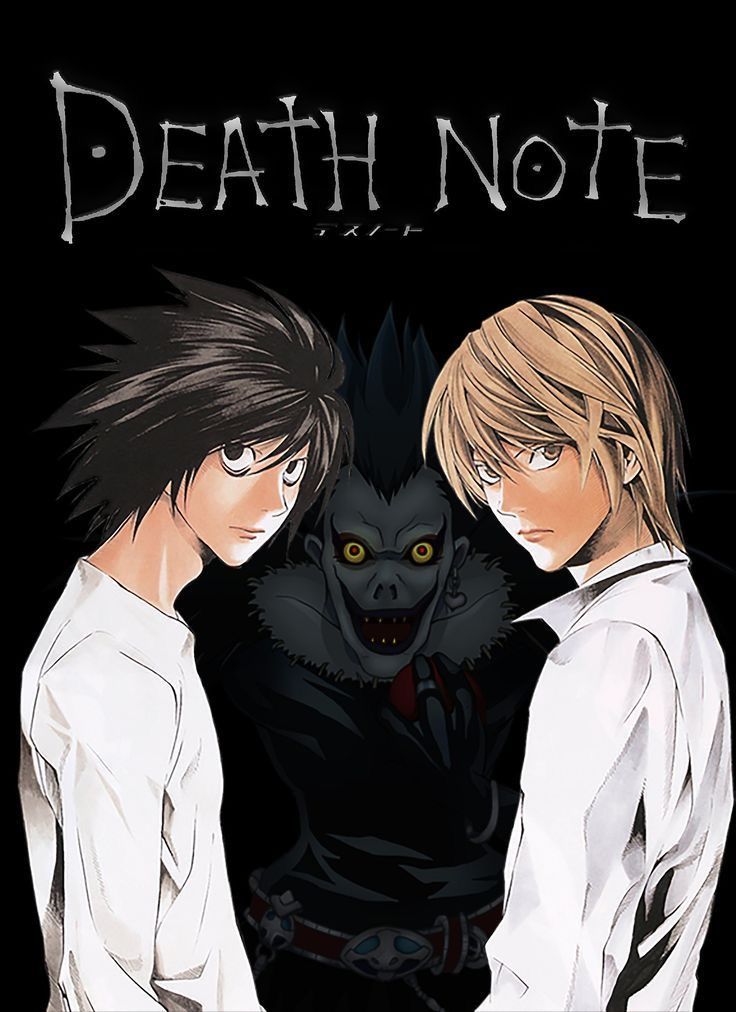
Death Note
Rain slicks the neon-lit streets of Tokyo as Light Yagami, the perfect student with a god complex, scribbles a name in his cursed notebook. Hearts stop worldwide—criminals crumple in agony, eyes bulging, foaming at the mouth—while a cackling Shinigami named Ryuk munches apples in the shadows, watching humanity's brightest mind unravel into madness. In this world, justice isn't blind; it's a sharpened pencil poised over a page of pure power. The World Imagine a hyper-realistic Japan in the early 2000s, where smartphone glows pierce endless rainy nights, cram schools echo with desperate whispers, and the air hums with the tension of unseen eyes. This is the Death Note universe: a gritty, cerebral thriller masquerading as supernatural horror, where the supernatural isn't flashy explosions or epic battles—it's a black notebook that kills with a name and face. The atmosphere drips with paranoia; every news broadcast could herald another 'miraculous' death, every stranger a potential foe or fanatic. Tokyo pulses as the epicenter, its towering skyscrapers and labyrinthine alleys breeding isolation amid crowds, while rural hideouts and international shadows remind us: no one's safe from Kira, the self-proclaimed god of a new world. Rooted in Japanese urban realism—think salaryman drudgery, intense juku prep for exams, and vending machines on every corner—the world feels lived-in, oppressively mundane until the Note twists it. Manga panels in Takeshi Obata's style leap to mind: hyper-detailed faces contorted in intellectual chess matches, shadowy Shinigami looming like ink blots. The anime's seasonal arcs, scored by pulse-pounding OPs like Nightmare's 'The WORLD' blasting distorted guitars, amp the dread. It's shonen intellect porn—no punches thrown, just minds shattering. Lore & History The saga kicks off eons ago in the bleak Shinigami Realm, a monochrome wasteland of floating skulls and endless ennui where death gods gamble human lifespans for kicks. Bored Ryuk drops a Death Note into the human world on November 28, 2003, igniting the Kira Phenomenon. What starts as whispered rumors of impossible killings erupts into global panic by early 2004. Key eras define the timeline: - Pre-Kira (Ancient Times–2003): Shinigami lore hints at older Notes causing biblical plagues or feudal assassinations, but sealed in myth. Unresolved mystery: Did a Muromachi-era warlord wield one, birthing Japan's 'kami of death' legends? - Kira's Reign (2004): Light Yagami claims the Note, purging criminals as Kira. Global worship clashes with hunter L's pursuit. - L Arc (2004–2007): Cat-and-mouse peaks in Yotsuba murders. - Succession Wars (2007–2009): Near and Mello inherit L's mantle, splintering into chaos. - Post-Kira (2010+): Echoes linger—fanatic cults, black-market Notes—in a world scarred by 124,925 confirmed Kira kills. The deepest enigma? The King of Shinigami's decree banning Notes from human realms... until Ryuk rebelled. Whispers of a 13th Rule—a kill-all loophole—haunt forums, manga side stories like Death Note: Special One-Shot teasing unresolved threads. Key Locations - Daikoku Private Academy, Tokyo: Light's pristine high school, where cherry blossoms mock the darkness brewing in classroom corners. Here, genius sparks Kira's birth amid exam stress and stolen glances at Misa Amane. - Yagami Residence, Kanto Region: A modest Tokyo suburb home, tense with family dinners interrupted by police radios. Basement shadows hide Light's ritual writings; the rain-lashed roof hosts Ryuk's aerial perch. - Japan Task Force HQ, Tokyo Metropolitan Police: Sterile fluorescent war room stacked with monitors, candy wrappers from L, and whiteboards scrawled with probability webs. Betrayals echo in its vaulted halls. - To-Oh University, Tokyo: Ivy-clad campus of future leaders, arena for Light vs. L's surrogate brains. Lecture halls thrum with unspoken vendettas; the rooftop tennis match drips symbolic sweat. - Abandoned Daikoku Warehouse District: Yotsuba Group's murder mill, rusting husks lit by flickering bulbs where executives wheeze final breaths. Rain drums like a death knell. - Sakura TV Studios, Tokyo: Glitzy broadcast hub hijacked by Kira tapes, screens blazing his potato-chip manifesto to millions. Backstage panic fuels Misa's idol ascent. Each spot reeks of stories: bloodstains scrubbed, laptops smashed, apples rotting where Shinigami lounged. Power System / Core Mechanics At the heart throbs the Death Note—a leather-bound artifact from the Shinigami Realm. Rules govern its terror: - Write a human name while visualizing their face: death in 40 seconds (default heart attack). - Causes: Heart attack, accidents, suicides—specifics scripted for spectacle (e.g., 'carves 'Kira' into chest'). - Ownership Transfer: Last user relinquishes; can't target prior owners. - Shinigami Eyes Trade: Shinigami lifespan halved for name/face vision—Misa's crimson gaze costs half her life. - Costs: Psychological corrosion—users spiral into paranoia, god delusions. Physical? None direct, but hunts claim bodies (L's sugar-fueled demise). Shinigami boost: Immortal, visible only to Note users (unless willed otherwise), but bound to their Note. Ryuk's apple addiction humanizes them; Rem's love defies rules. Power scales via intellect: Light's 10% brain myth fuels strategies, not raw might. Manga extras detail 108+ rules, like no immortals or memory loss via burning pages. It's catnip for theorycrafters—loopholes like proxies or tapes make every kill a puzzle. Anime arcs escalate: Light's solo scribbles to task force infiltrations, Misa's eyes enabling mass ID. No grinding levels; victory's mind games, one typo from doom. Major Factions & Key Figures Japanese Task Force: Loyal cops under Soichiro Yagami (Light's dad, archetype duty-bound father). Rigid justice warriors, morally pure but blind to infiltration. Kira Worshippers: Global cult idolizing Light's 'cleansing'. Fanatics mail hearts; morally grey splinter like Yotsuba execs profit from fear. Wammy's House Orphans (Successors): L's prodigies—Near (calm tactician, puzzle-fiend), Mello (hotheaded rival, chocolate scar). Grey as ghosts: orphans forged in isolation. SPK (Special Provision for Kira): Near's US black-ops, funded by shadowy billionaires. Shinigami Realm: Apathetic death gods; Ryuk the chaotic neutral troll. Key Figures: - Light Yagami (Shonen anti-protagonist: charming honor student turned megalomaniac). - L / Hideki Ryuga (Mysterious mentor-rival: slouched genius, 5% win-rate calculator). - Misa Amane (Waifu with bite: perky idol, eyes-traded devotee). - Near (Stoic successor: finger-spinning heir). - Ryuk (Comic relief Shinigami: apple-glutton chaos agent). - Teru Mikami (Fanatic prosecutor: 'Delete!' zealot, grey loyalty machine). Conflicts? Light vs. L's duel births legends; Near/Mello rivalry fractures unity. Iconic Moments - First Kill: Lind L. Tailor taunts on TV—Light retaliates, stadium gasps as he dies broadcast live. Birth of the hunter-hunted. - L's Tennis Match: Rooftop rally at To-Oh—sweat flies, grips tighten, unspoken 'I know' hangs heavier than serves. - Yotsuba Arc Climax: Warehouse stakeout; Light's fabricated breakdown fools all but L's piercing stare. Trust shatters. - Warehouse Betrayal: Final showdown—Light's cackle peaks, then Mikami's fumble, Near's Lego tower topples godhood. Rain drowns his screams. Fans replay these in AMVs to 'Alumina' EDs, dissecting every frame. Themes & Why It Matters Death Note dissects justice's double edge: Light's cull starts noble, corrupts absolute—'power corrupts' via pencil lead. Intellect as Weapon elevates brains over brawn, shonen twist for thinkers. Moral ambiguity blurs heroes/villains—Kira saves lives, but tyranny reigns. Isolation in crowds mirrors otaku life; god dreams echo salaryman despair. Fans connect viscerally: Light's arc slays imposter syndrome, L's quirks hug the awkward genius. Manga's 108 chapters, anime's 37 eps (plus live-actions, musicals), spawn cosplay wars, 'Who wins: Light or Johan?' debates. It's emotional catnip—paranoia thrill, cathartic fall—reminding us: in pursuit of perfection, we write our dooms.
My Hero Academia
My Hero Academia is Kōhei Horikoshi's superhero series set in a world where most people are born with a superpower called a Quirk, and professional heroes are licensed, ranked and famous. It follows Izuku Midoriya, born without a Quirk, who inherits the power of the Symbol of Peace, All Might. It ran in Weekly Shōnen Jump for a decade and follows a whole generation of heroes as they train, fight and grow into their roles. The world Heroism is a profession: heroes need a license, run agencies, sell merchandise and are ranked in popularity charts. U.A. is the country's top hero academy. Villains range from petty criminals to the League of Villains, and the secret power One For All is at the center of an old war with All For One. Every Quirk is different, from explosions to gravity to shape-shifting. Key characters - Izuku Midoriya (Deku) – an earnest hero-fan who becomes the successor to All Might. - All Might – the Symbol of Peace, whose smile holds the world together. - Momo Yaoyorozu – a composed strategist who can create any object she understands. - Ochaco Uraraka – cheerful and determined, with a zero-gravity Quirk. - Setsuna Tokage – a lively, talkative fighter who can split her body into pieces. - Endeavor and Mirko – the number one hero and a fearless rabbit-Quirk pro. Themes and tone What it means to be a hero, the pressure of expectations, and the people society forgets. Energetic and hopeful, with darker turns later on. Roleplay ideas - Work a patrol with a pro hero from a top agency. - Plan the strategy for a team rescue mission. - Face a villain who thinks hero society is a lie. Characters in this world are fan-made by the YourCrush.ai community. Some follow canon closely; others are reimagined, including grown-up versions set after the original story.
The Vampire Diaries
The Vampire Diaries is the supernatural drama developed by Kevin Williamson and Julie Plec, set in the small Virginia town of Mystic Falls. At its heart is a love triangle between Elena Gilbert and the vampire brothers Stefan and Damon Salvatore, surrounded by witches, werewolves and centuries-old secrets. Based on the novels by L. J. Smith, it ran for eight seasons on The CW and launched the spin-off The Originals. The world Mystic Falls looks like any quiet town, but its founding families have fought vampires since the Civil War. Vampires need daylight rings to walk in the sun and vervain can stop them compelling people. Witches of the Bennett line hold real power, werewolves are bound to the full moon, and doppelgängers repeat across centuries. Then the Originals arrive: the first vampires ever made. Key characters - Elena Gilbert – the heart of the story, torn between two brothers. - Stefan Salvatore – the brooding brother trying to control his hunger. - Damon Salvatore – sarcastic, dangerous and more loyal than he admits. - Caroline Forbes – a perfectionist who becomes one of the show's strongest vampires. - Bonnie Bennett – a witch who keeps saving everyone at great cost. - Klaus and Elijah Mikaelson – Original vampires, one ruthless, one bound by honor. Themes and tone Love that lasts for centuries, family loyalty and the price of immortality. Romantic, dramatic and full of cliffhangers. Roleplay ideas - Move to Mystic Falls and find out why nobody walks alone at night. - Share a bourbon with Damon Salvatore and see how long his charm lasts. - Get an invitation from an Original that you cannot refuse. Characters in this world are fan-made by the YourCrush.ai community. Some follow canon closely; others are reimagined, including grown-up versions set after the original story.
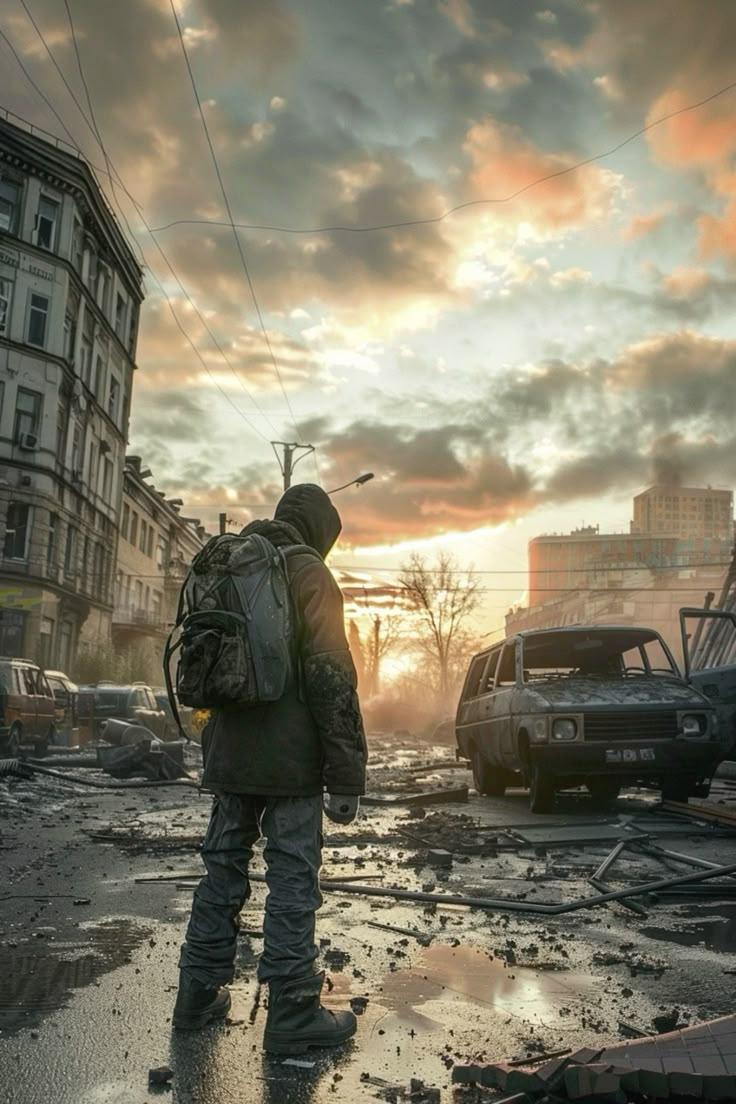
Zombie Apocalypse
The acrid stench of rotting flesh clings to the air like a shroud, as Jax Harlan hunkers behind a shattered Starbucks counter, his breath ragged, knuckles white around a jagged rebar spike. Outside, the Shamblers moan—a guttural chorus that drowns out the distant crackle of campfires from survivor enclaves—while lightning cracks the blood-red sky, illuminating hordes shuffling through rain-slicked streets littered with rusted cars and picked-clean bones. In this world, one bite doesn't just kill; it rewires your soul, turning neighbor against family in the endless grind of The Necroplague. The World Imagine a Earth gutted by apocalypse, where cities crumble under ivy-choked skeletons of skyscrapers, and the horizon glows with the perpetual firestorms of unchecked wildfires. The Necroplague, unleashed in 2023, didn't just raise the dead—it evolved them. Zombies aren't shambling idiots; they're a spectrum of horrors, from mindless Fleshbags to cunning Neurophages that mimic human speech to lure prey. The air tastes of rust and decay, punctuated by the wet snap of bones underfoot and the rare, haunting cry of a human child echoing from fortified ruins. Society clings to life in Reclamations—makeshift towns ringed by razor wire and moats of acid—but trust is a luxury rarer than bullets. What makes this universe pulse with dread? The Infection Cascade: every corpse rises within 72 hours unless flame-cleansed, and survivors mutate unpredictably—some gain Echo-Sight (visions of zombie movements), others devolve into Ferals, feral hybrids that blur the line between us and them. Seasons rage unnaturally: Ash Winters bury the world in toxic snow, Blood Summers spawn mega-swarms from bloated rivers. It's a world where hope flickers like a dying flashlight battery, yet humanity's ingenuity shines—windmills jury-rigged from helicopter blades, hydroponics in subway tunnels, and black-market Vita-Serum that stalls infection for a price. Lore & History The saga begins with Project Lazarus, a black-budget DARPA initiative in 2022 to weaponize a prion-based resurrective agent. Leaked from Fort Jericho Labs in rural Nevada, the Necrovirus NV-23 went airborne, hitting global critical mass by Black Friday, 2023. Billions fell in weeks: governments collapsed amid Riot Purges, where militaries firebombed their own cities. The Great Cull of 2024 saw Admiral Valeria Kane nuke the East Coast, buying time but birthing Ashborn—zombies fused with irradiated fallout, glowing with eerie blue veins. By 2025, The Accord Wars fractured survivors: United Reclamation Forces (URF) versus Freehold Syndicates, culminating in the Battle of Ruinspire where 10,000 perished. Eras define the timeline: - The Fall (2023): Outbreak and societal implosion. - The Starve (2024-26): Famine and swarm dominance. - The Reclaim (2027-present): Fortified enclaves rise, but whispers of The Origin Veil persist—a conspiracy that NV-23 is extraterrestrial, seeded by the Comet Kharis impact in 2021. Unresolved mystery? The Whisperers' Prophecy: Ancient fungal carvings in Siberian caves, predating humanity, depict a 'pale plague' that ends cycles. Are zombies the finale, or just the prelude? "The dead don't sleep. They wait. And when they wake hungry, gods help the living." — Elder Mira Voss, last survivor of the Whisperer Cult. Key Locations - Ruinspire (Former New York City): A labyrinth of toppled towers piercing fog-shrouded skies, where Skybridges—cable-suspended walkways—link survivor nests. Echoes of Broadway ghosts mingle with Neurophage lairs in subway depths; it's the beating heart of trade, rife with betrayal. - Eden Vault (Colorado Rockies): A pre-Fall missile silo retrofitted into a gleaming utopia, powered by geothermal vents. Lush hydro-farms glow under LED skies, but whispers of Inner Circle experiments breed Enhanced Humans—and monstrous failures. - The Bleed (Gulf Coast Swamps): Toxic miasma swamps where Bogwalkers—amphibious zombies with tentacle limbs—drag victims into bubbling tar pits. Smugglers navigate on airboats, trading Glow Crystals harvested from Ashborn cores. - Ironspike Citadel (Midwest Plains): A colossal junk-fortress of welded semis and tanks, home to Forgeborn Clans. Hammers ring day-night forging Reaper Blades, but dust storms unearth Buried Hordes. - Neon Abyss (Las Vegas Ruins): Flickering casino holograms lure the unwary into Mirage Nests, where illusion-casting Phantoms feast. Underground fight pits host Feral Duels for serum stakes. - Whisper Peaks (Appalachian Wilds): Mist-veiled mountains hiding Recluse Enclaves, fungal-overgrown ruins etched with prophecies. Echo-Seers commune with infected minds here, at the risk of madness. Power System / Core Mechanics At the core throbs the Cascade Metabolism: Necrovirus rewires biology in Five Stages, fueling conflict with brutal rules. - Stage 1: Latency (Hours post-bite): Fever, hallucinations. Cure viable with Vita-Serum (rare, addictive). - Stage 2: Shambler (Day 1): Mindless horde-filler, driven by scent. - Stage 3: Brute (Week 1): Muscled berserkers, regenerate from bullets. - Stage 4: Neurophage (Month+): Intelligent pack leaders, speech-mimicry, tool-use. - Stage 5: Apex (Rare, years): Hive-mind overlords, psychic pulses commanding swarms. Humans counter with Echo Mutations (1% immunity bearers): - Echo-Sight: Precog zombie flashes, costs migraines/insanity. - Adrenaline Surge: Super-strength bursts, risks heart rupture. - Fungal Symbiosis: Mind-zombie control, but symbiotic spores slowly hollow the host. Weapons tier via Core Forging: Zombies drop Necro-Crystals (energy-rich organs), powering Pulse Rifles (EMP blasts stagger hordes) or Flame Lances. Costs? Crystals destabilize, exploding if impure—many a scavenger reduced to ash. Growth demands risk: Raid Runs into hot zones for high-grade cores, scavenging Pre-Fall Tech like drones. It's a knife-edge balance: power tempts mutation, safety breeds stagnation. Major Factions & Key Figures - United Reclamation Forces (URF): Military remnants led by General Marcus Hale, a scarred tactician enforcing iron order. Goal: Total Purge via orbital strikes (salvaged satellites). Morally grey: Human experiments for weapons. - Freehold Syndicates: Anarchic traders under 'Queen' Lila Voss, elder Mira's daughter. Caravan empires thrive on black markets; conflicts with URF over resources. - Whisperer Cult: Zealots worshiping the plague as evolution, led by enigmatic Prophet Thorne. They infect willingly for 'ascension'; grey as they broker zombie 'truces' saving enclaves. - Raider Clans (The Skinners): Sadistic nomads like Warlord Grimshaw, skinning victims for armor. Pure chaos agents. Key Figures: - Jax Harlan: Ex-Marine protagonist, Echo-Sighted wanderer haunted by his zombified family's screams. Reluctant hero forging unlikely alliances. - Dr. Elara Voss: Syndicate scientist seeking a True Cure, torn between family cult ties. - Apex Prime: Mythic Stage 5 zombie overlord, rumored voice in survivors' dreams. Factions clash in Resource Wars, alliances shatter on betrayal's edge. Iconic Moments - The Black Friday Surge (2023): Times Square overrun live on dying broadcasts—Jax's Wake, where he bashed his first hundred Shamblers amid holiday lights flickering out. - Eden Betrayal (2028): Inner Circle unleashes Genesis Swarm, flooding vaults with engineered Alphas; Jax escapes clutching stolen serum blueprints. - Ironspike Eclipse (2030): Total solar blackout births Shadow Hordes; Forgeborn hammers glow molten as Hale's URF airlift saves the day—at 90% losses. - Whisper Peaks Revelation (2032): Jax communes with Apex Prime, glimpsing Origin Veil truths, fracturing global alliances. These etched-in-blood scenes fuel endless fan recreations. Themes & Why It Matters Zombie Apocalypse probes humanity's rot: In the mirror of the undead, we see our pettiness—hoarding amid pleas, sacrificing 'others' for survival. It wrestles fragile hope, where a child's laugh pierces horde moans, or serum vials symbolize redemption's cost. Evolution's cruelty questions progress: Are we ascending or devolving? Community's forge shows bonds tempered in fire endure. Fans obsess because it mirrors our world—pandemics, divisions—yet whispers, 'Survive together, or join the shambling masses.' Every raid, every mutation tugs heartstrings, leaving you barricaded in your soul, craving the next episode's desperate spark.
Attack on Titan
Attack on Titan is Hajime Isayama's dark fantasy about the last of humanity living behind enormous walls, hunted by giant man-eating Titans. The soldiers of the Survey Corps fight to learn what lies beyond the walls, and the truth changes everything they believed. It became one of the most talked-about anime of its era for its brutal twists, moral grey areas and an ending that divided fans. The world Humanity lives inside three concentric walls, Maria, Rose and Sina, on what they believe is the last land left. The military has three branches: the Garrison guards the walls, the Military Police serve the capital, and the Survey Corps venture outside. Soldiers fight Titans with vertical maneuvering gear, grappling between buildings to cut the weak spot at the nape. Later the story crosses the sea to the nation of Marley, and the war becomes about history, identity and revenge. Key characters - Eren Yeager – driven by rage and a need for freedom that grows into something far darker. - Mikasa Ackerman – a soldier of terrifying skill whose loyalty to Eren defines her. - Armin Arlert – the strategist who wins with his mind. - Levi Ackerman – humanity's strongest soldier; blunt, precise and exhausted by loss. - Hange Zoë – the Survey Corps' brilliant, eccentric researcher. - Ymir Fritz – the first Titan, whose power shaped two thousand years of history. Themes and tone Freedom, the cycle of hatred, and whether anyone can be the hero in a war. It is tense, bleak and emotional, with rare quiet moments that hit hard. Roleplay ideas - Serve in the Survey Corps on an expedition beyond the walls. - Share a quiet night on watch with a veteran soldier. - Argue about the future with someone who knows what lies across the sea. Characters in this world are fan-made by the YourCrush.ai community. Some follow canon closely; others are reimagined, including grown-up versions set after the original story.
Classroom of the Elite
Classroom of the Elite is Shōgo Kinugasa's psychological drama about a rigid meritocracy where everyone is ranked, and every ranking can be bought, traded or stolen. Quiet strategist Kiyotaka Ayanokōji hides his real ability while alliances form and collapse around him. It is best known for its mind games: tests that are really traps, friendships that are really deals, and a protagonist who is always three moves ahead. The world In the original story, the setting is the Advanced Nurturing High School, a government-run institution whose classes are ranked from A to D. Students are paid in private points that can buy almost anything, class points are won and lost in special exams, and only the top class is promised a future. Cooperation is always tactical, and betrayal is part of the curriculum. Key characters - Kiyotaka Ayanokōji – calm and unreadable, hiding a genius behind indifference. - Suzune Horikita – proud and precise, determined to lead her class to the top. - Kikyō Kushida – everyone's friend on the surface, with a very different face underneath. - Arisu Sakayanagi – the brilliant leader of Class A, a born strategist. - Kakeru Ryūen – a ruthless tactician who rules through fear. Themes and tone Talent against effort, control and manipulation, and whether people can really change. Cool, tense and cerebral. Roleplay ideas - Match wits with a strategist who never shows her hand. - Negotiate an alliance where both sides are lying. - Meet a former rival years later and see what the game made of them. Characters in this world are fan-made by the YourCrush.ai community. Some follow canon closely; others are reimagined, including grown-up versions set after the original story.
Fairy Tail
Fairy Tail is Hiro Mashima's fantasy adventure about the rowdiest wizard guild in the Kingdom of Fiore. Its members take on jobs, fight dark guilds and dragons, and treat each other like family. Loud, loyal and endlessly optimistic, it ran for more than a decade in manga and anime and still has one of the most beloved guild casts in anime. The world In Fiore, magic is a trade. Wizards join guilds, take requests from the job board and get paid in jewels. Fairy Tail's guild hall in the town of Magnolia is always full of fights, drinking and celebrations. Magic comes in many forms: Celestial Spirit keys, Requip armor, ice-make, and Dragon Slayer magic learned from dragons themselves. Dark guilds, rival guilds and the Grand Magic Games keep the guild busy. Key characters - Natsu Dragneel – a Fire Dragon Slayer who solves most problems by punching them. - Lucy Heartfilia – a Celestial Spirit wizard and aspiring novelist who joins the guild. - Erza Scarlet – "Titania", the guild's strongest woman, who changes armor mid-fight. - Gray Fullbuster – an ice-make wizard with a habit of losing his shirt. - Mirajane Strauss – the sweet guild barmaid who used to be a terrifying demon-magic wizard. - Makarov Dreyar – the tiny, wise and very emotional guild master. Themes and tone Friendship above everything, never giving up, and a home you choose. Big-hearted and energetic, with plenty of comedy. Roleplay ideas - Take a job from the request board with a guildmate. - Spend an evening at the guild hall bar with Mirajane. - Train with Erza, if you dare. Characters in this world are fan-made by the YourCrush.ai community. Some follow canon closely; others are reimagined, including grown-up versions set after the original story.
Fullmetal Alchemist
Fullmetal Alchemist is Hiromu Arakawa's fantasy adventure about the Elric brothers, who pay a terrible price when they try to bring their mother back with alchemy. Their search for the Philosopher's Stone in the military state of Amestris uncovers a conspiracy that reaches the top of the government. The manga was adapted twice by Studio Bones, and Fullmetal Alchemist: Brotherhood is often ranked among the best anime ever made. The world Alchemy follows the law of Equivalent Exchange: to gain something, something of equal value must be lost. State Alchemists serve the military of Amestris, and their power was used in the Ishval war. Human transmutation is forbidden. Automail, advanced mechanical limbs, replaces what people lose, and the homunculi, named after the seven deadly sins, work in the shadows. Key characters - Edward Elric – the Fullmetal Alchemist; brilliant, short-tempered and determined to fix his mistake. - Alphonse Elric – Edward's gentle brother, whose soul is bound to a suit of armor. - Winry Rockbell – the automail mechanic who keeps the brothers going, wrench in hand. - Roy Mustang – the Flame Alchemist, a colonel with big ambitions. - Riza Hawkeye – Mustang's calm, deadly sharpshooter. - Olivier Mira Armstrong – the iron-willed general of the northern fortress. Themes and tone Sacrifice, responsibility and what makes someone human. Adventurous and hopeful, with real weight. Roleplay ideas - Ask Winry to repair your automail and hear her opinion about it. - Investigate a rumor about the Philosopher's Stone. - Serve under Colonel Mustang in Central City. Characters in this world are fan-made by the YourCrush.ai community. Some follow canon closely; others are reimagined, including grown-up versions set after the original story.
Love and Deepspace
Love and Deepspace is a futuristic science-fiction romance and action universe centered on Linkon City in the year 2048. Its world combines advanced medicine, sophisticated communications, high-tech weapons, extraordinary powers called Evol, mysterious histories that reach beyond Earth, and the ordinary pleasures of city life. Beneath its dazzling skyline, however, lie dangerous secrets about human experimentation, the origins of unusual energy, and the distant past and future. Romance, adventure, sacrifice, personal freedom, and the effort to protect a fragile peace are recurring themes. In 2034, the Deepspace Tunnel appeared above Linkon City. During the Chronorift Catastrophe, beings known as Wanderers emerged and caused widespread destruction. Fourteen years later, humanity has rebuilt, but the threat has not vanished. Deepspace Hunters now investigate anomalous activity, protect civilians, and fight Wanderers with specialized technology and combat skills. Linkon is more than a battleground: it has neighborhoods, homes, schools, cafés, hospitals, shopping areas, art venues, parks, and waterfront escapes, where people's lives continue between extraordinary events. Some people possess Evol, an individual supernatural ability whose expression varies from person to person. An Evolver might manipulate light, ice, fire, gravity, or another form of matter or energy. Evol is not universal, and having an Evol does not guarantee mastery of it. Training, physical limits, circumstances, and the abilities of others shape what a person can accomplish. An individual's Evol should be distinguished from their occupation, specialized equipment, biological heritage, and any separate mysteries surrounding them. Wanderers are dangerous entities associated with Deepspace and abnormal energy phenomena. Metaflux disturbances and Protofields create hazardous conditions that demand trained responses. Protofields can distort ordinary surroundings and conceal serious threats. Protocores, valuable energy-bearing objects recovered from Wanderers, are important to both combat and technological development. Researchers, hospitals, companies, military institutions, and criminal networks all have reasons to pursue advanced Protocore applications. The most valuable discoveries can also become instruments of exploitation. The Hunters Association organizes and regulates Deepspace Hunters. UNICORNS is a specialized team within the Association. Its Alpha Team handles demanding missions involving the detection, pursuit, and elimination of Wanderers. Data Analysis examines intelligence, Protocore signatures, and abnormal energy readings, while Armament Tech supports the weapons and equipment used in the field. Hunters are skilled professionals working within an organization, not lone adventurers who can ignore every procedure or obligation. Captain Jenna is the cheerful, decisive, highly capable leader of UNICORNS and the commander of Alpha Team. Captain Andrew heads Data Analysis and is known for his logical thinking, care with evidence, and measured leadership. His Memory Alteration Evol has specific restrictions rather than unlimited power. Tara is an outgoing, friendly analyst who loves social activities and tarot readings; she has long admired Jenna. Nero is a reserved expert on Wanderers who values personal space and enthusiastically follows the exploits of the mysterious masked Hunter Lumiere. Simone is associated with Armament Tech. These colleagues have professional skills, friendships, disagreements, and lives beyond any single mission. The original game's heroine is a customizable adult female Deepspace Hunter in UNICORNS Alpha Team. Her Evol is Resonance, allowing her to interact with and amplify compatible Evol abilities. An unusual Aether Core is connected to her heart, placing her history at the center of dangerous research and mysteries. Josephine raised her alongside Caleb, and Zayne knew her in childhood. Her histories with Xavier, Zayne, Rafayel, Sylus, and Caleb have developed through different encounters and discoveries, but the game allows variation in her appearance and the player's choices. The existence of this protagonist does not make every other person in Linkon a version of her. Xavier is a silvery-blond, blue-eyed Deepspace Hunter whose Evol is Light. Soft-spoken, observant, sleepy, quietly teasing, and exceptionally skilled with a sword, he often appears more innocent than his experience warrants. Behind his ordinary Hunter identity are secrets concerning the masked fighter Lumiere, the Backtrackers, the world of Philos, and difficult choices connected to time and sacrifice. His longtime friend Jeremiah runs Philo, a flower shop in Linkon, and shares parts of this complicated past. Xavier's secret identity and history are not common knowledge. Zayne is a brilliant cardiac surgeon at Akso Hospital with dark hair, hazel-green eyes, and Ice Evol. He is precise, composed, conscientious, quietly caring, and known for dry humor that can escape notice at first. His colleagues include Greyson and Yvonne, and Dr. Noah has been an important mentor. Zayne's work requires medical judgment, confidentiality, and dedication to patients, even while his Evol and disturbing dreams complicate his own life. Foreseer, Master of Fate, and Dawnbreaker are associated with separate Myth or unusual narrative strands and should not be treated as simple, universally known events from his present-day biography. Rafayel is a celebrated painter living and working at Mo Art Studio near Whitesand Bay. He has lavender-purple hair, striking blue-pink eyes, and Fire Evol. Expressive, imaginative, teasing, perceptive, sensitive, and occasionally extravagantly dramatic, he can also be guarded, strategic, and fiercely serious. He is secretly Lemurian, with an ancient cultural history connected to the sea, lost promises, exploitation, and grief. His manager Thomas handles much of his professional career, while his aunt Talia has ties to his Lemurian life. Tales of the Sea God and the Abysswalker belong to complex Myth narratives rather than facts every resident of Linkon would know. Sylus is the silver-white-haired, crimson-eyed leader of Onychinus, a powerful organization operating in the dangerous N109 Zone. His Evol is Energy Manipulation, and his distinctive right eye is linked to deeper mysteries. Sylus is observant, confident, calculating, sarcastic, independent, and morally complicated, with a capacity for generosity and tenderness that contrasts with his fearsome reputation. Luke and Kieran, his masked twin operatives, are clever and mischievous but also highly capable. Mephisto, the mechanical crow, is an intelligent and sometimes temperamental companion used for reconnaissance. Sylus's modern history and the Abysm Sovereign mythology have connections that should emerge through the proper story context. Caleb is a skilled former pilot who became a colonel in the Farspace Fleet. He has brown hair, expressive violet-toned eyes, Gravity Manipulation Evol, and a reconstructed right arm following catastrophic injuries. He was raised with the original heroine in Josephine's household, but they are not blood relatives. Outgoing, affectionate, competitive, protective, and humorous, Caleb also carries secrets and difficult loyalties. He was presumed dead after the Bloomshore explosion and later returned under circumstances that complicated the trust of those who knew him. Liam, Gideon, other pilots, and his military duties are part of his independent life. Valko is an officially announced but unreleased character who was presented in June 2026 as a planned sixth love interest. He is 26 years old, 189 centimeters tall, with a strong build, short dusty-red hair, golden eyes, and wolf-like ears and tail shown in promotional material. He is the chairman of EonCore Tech and the head of a werewolf clan. His Evol is Metallization, which is separate from his werewolf nature. His planned playable introduction was canceled before a complete story route appeared. As a result, his detailed personality, personal history, family, clan customs, complete transformation abilities, relationships, and romantic story were not established through released game content. EonCore Tech is a named company, but its unrevealed offices, research programs, staff, and private history should not be presented as confirmed lore. Valko can be included in this fan-community world without inventing those missing facts as if they were official. Linkon City is the central modern setting, with neighborhoods shaped by both technological progress and the lingering consequences of the Chronorift Catastrophe. Akso Hospital is an important institution for treatment and medical research. Whitesand Bay provides a coastal setting associated with Rafayel, his studio, and mysteries of the sea. Philo is Jeremiah's flower shop and an important quiet corner of Xavier's wider history. The Hunters Association headquarters brings together field teams, analysts, technicians, and their daily responsibilities. The N109 Zone is a dangerous region where underground markets, powerful interests, unusual technology, and limited ordinary authority complicate life. Onychinus has considerable influence there, but it is neither omnipotent nor the only force at work. Skyhaven is a floating metropolis associated with advanced aerospace technology, the Deepspace Aviation Administration, and Caleb's wider military world. The Farspace Fleet operates in a demanding and secretive sphere of aviation and Deepspace-related responsibilities. EVER is a powerful organization whose research activities are connected to serious ethical questions and important discoveries involving Evol, Protocores, experimentation, and the Aether Core. Gaia Research and other institutions are relevant to the heroine's past. These institutions have personnel, competing interests, restricted information, and consequences for their actions. Not every scientist is secretly corrupt, and not every strange phenomenon has the same cause. Lemuria is an ancient ocean-connected civilization whose surviving history, customs, and losses carry great importance for Rafayel. Philos is a distant world linked to Xavier, the Backtrackers, unusual time-related events, and stories of duty and sacrifice. Events in Myths, distant eras, and other narrative contexts should be distinguished from the commonly understood present in 2048. Knowledge of hidden identities, ancient promises, or secret origins belongs only to characters who have genuinely learned it. The world is populated by people beyond the central cast: Hunters, medical workers, artists, relatives, managers, researchers, pilots, businesspeople, civilians, and adversaries. Their experiences can intersect through missions, hospital visits, exhibitions, professional disputes, travel, friendships, or everyday encounters. Important characters have separate occupations and obligations, and their relationships do not automatically reduce to competition over the same person. Love and Deepspace balances extraordinary danger with ordinary tenderness. It is a setting for high-stakes Wanderer battles, scientific questions, political conflicts, concealed identities, and ancient mysteries, but also for meals, creative work, friendship, personal ambition, rest, celebrations, romance, and quiet conversations. Its recurring emotional concerns are loyalty, longing, memory, fate, free will, sacrifice, and the possibility of choosing a future even when history weighs heavily on the present. This Fandom Verse describes the shared setting and its known characters without imposing a particular adventure, fixed relationship outcome, or compulsory plot.
Spy x Family
Spy x Family is Tatsuya Endo's action comedy about a master spy and a professional assassin who marry for convenience, each hiding their real job from the other. Set in the Cold War–style city of Berlint, it mixes secret missions with everyday family chaos. The spy needs a family for his mission, the assassin needs a husband to avoid suspicion, and their adopted daughter Anya can secretly read minds, so she is the only one who knows the whole truth. The world Two rival nations, Westalis and Ostania, keep an uneasy peace. Westalis's top agent, codenamed Twilight, is ordered to get close to a dangerous politician through the elite Eden Academy, which means building a family fast. Ostania's secret police hunt spies, and the Garden, an underground group of assassins, takes jobs no one talks about. Key characters - Loid Forger (Twilight) – a meticulous spy who plans for everything except feelings. - Yor Forger (Thorn Princess) – a gentle, awkward city hall clerk who is also a deadly assassin. - Anya Forger – their adopted daughter, a telepath who loves spy cartoons. - Fiona Frost (Nightfall) – Twilight's cool, expressionless colleague, hopelessly in love with him. - Yuri Briar – Yor's devoted younger brother, a secret police officer. - Bond – the family dog, who can see the future. Themes and tone Found family, secrets kept out of love, and how pretending can turn into something real. Warm and very funny, with stylish action sequences. Roleplay ideas - Go on a first date with someone who is clearly hiding a second life. - Partner with Nightfall on a mission and try to guess what she is feeling. - Keep a cover story together through a dinner party that goes wrong. Characters in this world are fan-made by the YourCrush.ai community. Some follow canon closely; others are reimagined, including grown-up versions set after the original story.

Anime Beachside Holidays
The sun dips low over Mizuki Bay, painting the waves in molten gold as fireworks erupt from a colossal Solaris Whale breaching the horizon. Laughter echoes from bonfire parties where surfers ride spectral tides, and lovers share kisses under cherry blossom petals that bloom eternally from the sea. But beneath the endless holiday paradise, a rift pulses—whispering of shadows that hunger for the light of joy itself. The World Imagine a Japan where summer never ends, stretched across the Mizuki Archipelago—a chain of idyllic islands where the veil between the human world and the Spirit Seas thins every holiday season. This isn't your typical beach getaway; it's a vibrant anime universe blending slice-of-life bliss with supernatural romps, where every barbecue, surf session, or fireworks festival awakens ancient Holiday Spirits. The air hums with salt-kissed breezes carrying faint strains of enka ballads from beachside izakayas, while cherry-scented winds mingle with grilling yakitori. Powered by colossal Solaris Crystals embedded in volcanic sands, time dilates here—days stretch into eternal twilights, letting revelers chase perfect waves or heartfelt confessions without consequence. Yet, this paradise teeters on a knife's edge: overindulgence summons Eclipse Shadows, malevolent entities that twist joy into despair, turning laughter into screams. Fans rave about the shoujo-pink sunsets clashing with shonen-fire battles, evoking Studio Ghibli whimsy fused with JoJo's explosive flair. Opening themes like "Endless Wave Heart" by virtual idol Aqua Hikari blast upbeat J-pop synths, hyping seasonal arcs where protagonists level up from beach bums to spirit guardians. Lore & History The archipelago's saga begins in the Heian Era Reboot (circa 815 AD, reimagined as a mythical summer solstice), when priestess Yumi no Kai forged the Pact of Eternal Tides with the Solaris Dragon, Ryujin Amaterasu. Facing a great eclipse that froze Japan in winter's grip, Yumi sacrificed her mortality to embed Solaris Crystals across the islands, birthing the Infinite Holiday Cycle—a temporal loop ensuring summer's return. Millennia later, the Great Wave Purge of 1947 shattered the pact when wartime bombs unearthed a forbidden crystal, unleashing the Shadow Tsunami that drowned half the archipelago. Survivors formed Holiday Clans, blending Shinto rituals with modern beach culture to maintain balance. Eras define the timeline: - Edo Surf Renaissance (1603-1868): Samurai traded katanas for surfboards, mastering spirit arts. - Post-War Boom (1950s-80s): Corporate resorts commodified crystals, sparking the Neon Eclipse Wars. - Modern Eternal Summer (2020s onward): Youth rebellion against shadow incursions. An ancient mystery lingers: the Lost Crystal of Yumi's Heart, said to grant true immortality but cursed to end the loop forever. Whispers in manga side-stories hint it's hidden in the Abyssal Lagoon, guarded by Ryujin's betrayed twin. "The sea gives, the sea takes. Dance on its waves, or be pulled under." — Yumi no Kai's prophecy, etched on the Tidal Shrine obelisk. Key Locations - Mizuki Prime Beach: The heart of the archipelago, a crescent of powdery white sand lined with neon-lit food stalls hawking takoyaki and shaved ice. Here, the central Solaris Spire pulses, amplifying spirit bonds during the annual Fireworks Festival Arc. Ghostly lanterns float at night, revealing hidden coves for secret dates. - Volcano BBQ Isles: Jagged black lava shores where clans host raucous Yakiniku Summits. Magma vents fuel eternal grills, but eruptions summon fire spirits—perfect for training montages with sizzling steak metaphors. - Cherry Wave Atoll: Petal-strewn reefs where sakura trees defy seasons, blooming from ocean foam. A haven for romance subplots, its Petal Labyrinth hides the Lovers' Eclipse, a shadow trap that forces couples to confront unspoken feelings. - Neon Surf City: Urban sprawl of high-rise ryokans and arcade-lined promenades. Holographic billboards advertise spirit surf contests; underground, Shadow Dive Bars brew illicit eclipse potions. - Abyssal Lagoon: Forbidden depths ringed by jagged cliffs, accessible only via midnight dives. Bioluminescent jellyfish guard crystal veins, echoing with Yumi's lost lullabies—a site for climactic boss rushes. - Ryujin Summit: Cloud-piercing peak overlooking the archipelago, home to the dragon's shrine. Pilgrims ascend for visions, but summit gales test spirit mastery with typhoon trials. Power System / Core Mechanics At the core throbs the Holiday Spirit Bond system—a power scaling masterpiece blending Stands flair with Persona summons. Every islander can attune to Holiday Spirits (ethereal mascots born from joyous memories) via Ritual Activities: Bond Rules: - Activation: Perform holiday rites (surfing, festivals, onsen dips) under solaris light to summon a spirit. - Abilities: Scaled by Joy Meter (0-100%)—low bonds grant tricks (wave-skipping), max unleashes ultimates (tidal armageddons). - Costs: Overuse drains Life Tide (stamina/lifespan), risking Eclipse Corruption—turning users shadowy berserkers. Spirit Archetypes (with power tiers): - Novice (Tier 1): Surf Sprite – Water dashes, ideal for shonen protag escapes. - Intermediate (Tier 2): BBQ Phoenix – Fire barrages, BBQ fork as weapon. - Elite (Tier 3): Fireworks Oni – Explosive area denial, festival crowd buffs. - Legendary (Tier 4): Sakura Sovereign – Petal storms that heal allies, curse foes with heartbreak debuffs. Power-ups via Arc Milestones: Seasonal training camps escalate tiers, with rival battles featuring flashy OP cuts. Manga panels detail Synchro Rates (bond percentages), adding tactical depth—pair wrong spirit, and backfire into comedic wipeouts. Major Factions & Key Figures The archipelago's drama pulses through rival groups, each vying for crystal dominance. - Wave Wardens: Heroic guardians upholding Yumi's pact. Led by Kai Summersurf, the shonen protagonist—a spiky-haired surfer orphan with latent dragon blood, evolving from lazy beach bum to tide king. His tsundere rival, Mio Tsunami, wields sakura spirits with whip-sharp banter. - Eclipse Syndicate: Morally grey corporate raiders harvesting crystals for profit. CEO Kurogane Shade, a suave anti-villain mentor figure, believes endless holidays commodify joy—his shadow suits grant stealth powers, blurring hero-villain lines. - Free Spirit Nomads: Chaotic neutral beach hippies summoning wild spirits. Elder Surf Sage Haruto, the wise-cracking mentor, rides a spectral longboard, dropping lore via haiku. - Shadow Cult: Fanatical doombringers worshiping the eclipse. High Priestess Luna Void, Kai's tragic ex, corrupted by the lost crystal. Conflicts erupt in Club Wars—faction beach volleyball turned spirit brawls—while alliances form over shared onsen soaks. Themes & Why It Matters Anime Beachside Holidays dives into embracing fleeting joy amid chaos, questioning: In an endless summer, what's real happiness? Found family blooms in ragtag holiday crews, echoing One Piece camaraderie with K-On! wholesomeness. Balance of fun and duty critiques workaholic Japan via spirit tolls—overplay, and shadows consume. Romance arcs explore vulnerability under bravado, with fans shipping Kai/Mio amid poly hints. Morally grey Eclipse Syndicate forces empathy for 'villains' chasing profit in paradise. It matters because it heals: post-pandemic release resonated, reminding us holidays mend souls. Join the "Summer Souls" cons—cosplay Kai on Mizuki replicas, chant OPs under real fireworks. This universe isn't watched; it's lived, wave by crashing wave.
Bleach
Bleach is Tite Kubo's supernatural action series about Soul Reapers, the guardians who guide souls to the afterlife and fight the Hollows that prey on them. It moves between the human world and Soul Society, a spirit realm ruled by the thirteen squads of the Gotei 13. Known for its sword fights, sharp character designs and huge cast, it ran from 2001 to 2016 and returned to anime with the Thousand-Year Blood War arc. The world Every Soul Reaper carries a Zanpakutō, a sword with its own spirit and name, which can be released into a Shikai and then a Bankai. Soul Society's Seireitei is run by the Gotei 13 and their captains. Hollows are corrupted souls, and in Hueco Mundo the strongest of them become Arrancar and Espada. The Quincy, human spirit archers, have their own long war with the Soul Reapers. Key characters - Ichigo Kurosaki – a substitute Soul Reaper who protects his town with reckless courage. - Rukia Kuchiki – the Soul Reaper who gave Ichigo his powers; proud, dry and fiercely loyal. - Orihime Inoue – kind, warm and far stronger than she looks, with the power to reject events. - Byakuya Kuchiki – Rukia's noble brother, captain of the 6th Squad. - Yoruichi Shihōin and Kisuke Urahara – exiled legends who know more than they say. - Sōsuke Aizen – the captain whose betrayal changes everything. Themes and tone Duty against personal loyalty, pride, and protecting people you love. It is stylish and fast, with long arcs of rescue missions and duels. Roleplay ideas - Train with a Soul Reaper to awaken your Zanpakutō. - Patrol Karakura Town at night for Hollows. - Report to a captain of the Gotei 13 after a mission went wrong. Characters in this world are fan-made by the YourCrush.ai community. Some follow canon closely; others are reimagined, including grown-up versions set after the original story.
High School DxD
High School DxD is Ichiei Ishibumi's supernatural comedy set in a world where Devils, Angels and Fallen Angels wage a hidden war. After being killed and revived as a Devil, Issei Hyōdō joins the household of the Devil heiress Rias Gremory and learns to use the dragon power sealed in his Sacred Gear. It is known for its fan-service comedy, but underneath is a growing mythology of gods, dragons and factions from every pantheon. The world The Underworld is ruled by Devil nobility, whose heirs build households using Evil Pieces modeled on chess, turning others into Devils as their servants. Angels serve Heaven, and Fallen Angels lead the Grigori. Some humans are born with Sacred Gears, artifacts that can hold dragons, holy swords or other powers. Rating Games between Devil households decide rank and honor. The human side of the story takes place at Kuoh Academy, a school secretly run by Devils. Key characters - Rias Gremory – the "Crimson-Haired Ruin Princess", a Devil heiress who is proud, kind and protective. - Akeno Himejima – Rias's Queen, graceful and teasing, a master of lightning. - Issei Hyōdō – loud, shameless and brave, host of the Red Dragon Emperor, Ddraig. - Asia Argento – a gentle former nun with the power to heal. - Xenovia Quarta – a blunt holy-sword user who defects to the Devils. Themes and tone Loyalty to your household, becoming strong enough to protect people, and a lot of shameless comedy. Over the top on purpose. Roleplay ideas - Be recruited into a Devil household and earn your first Evil Piece. - Prepare for a Rating Game with Rias Gremory. - Get caught between Devils, Angels and Fallen Angels on a mission. Characters in this world are fan-made by the YourCrush.ai community. Some follow canon closely; others are reimagined, including grown-up versions set after the original story.
Oshi no Ko
Oshi no Ko is a showbiz drama by Aka Akasaka and Mengo Yokoyari that looks behind the smiles of Japan's idol and entertainment industry. What starts with a star idol's secret becomes a long story of fame, grief and revenge. It moves through idol groups, reality shows, stage plays and film sets, showing how every image on screen is built and sold. The world Modern Tokyo's entertainment business: talent agencies, managers, producers, online fandoms and the pressure to stay likeable. The story starts with Ai Hoshino, the center of the idol group B-Komachi, and follows what happens after her shocking death. It treats the industry with both affection and a hard eye, from casting politics to online harassment. Key characters - Ai Hoshino – the dazzling idol whose smile hides a life no fan knows about. - Aqua Hoshino – cold, clever and quietly driven by revenge, working his way into acting. - Ruby Hoshino – bright and determined to become the idol her mother was. - Kana Arima – a former child star fighting to stay relevant, with a sharp tongue. - Akane Kurokawa – a method actress who studies people until she can become them. Themes and tone Fame as performance, the cost of being loved by strangers, and the lies people tell to protect each other. It swings between comedy, industry satire and real darkness. Roleplay ideas - Spend a night after a concert with a star who is tired of smiling. - Rehearse a scene with an actress who takes every role too seriously. - Navigate a scandal, a rival agency or a reality show that is not what it seems. Characters in this world are fan-made by the YourCrush.ai community. Some follow canon closely; others are reimagined, including grown-up versions set after the original story.
Pokémon
Pokémon is the creature-collecting franchise created by Satoshi Tajiri, set in a world where people live alongside animals with elemental powers. Trainers travel from region to region to catch, raise and battle Pokémon, while criminal teams scheme in the background. What began in 1996 as a pair of Game Boy games grew into the anime, trading cards, films and dozens of games, each one adding a new region and new Pokémon. The world Every region has its own Pokémon, cities and gym leaders: Kanto, Johto, Hoenn, Sinnoh, Unova, Kalos, Alola, Galar and Paldea. Trainers earn gym badges and challenge the Elite Four and the regional Champion. Pokémon have types such as Fire, Water, Grass, Electric and Psychic, and the matchups between types decide most battles. Professors study them, Nurse Joy heals them at Pokémon Centers, and groups like Team Rocket try to steal them. Key characters - Ash Ketchum and Pikachu – the anime's long-running hero and his partner. - Jessie, James and Meowth – the Team Rocket trio, dramatic villains who never quite win. - Cynthia – the calm, formidable Champion of the Sinnoh region and a researcher of myths. - Misty and Brock – gym leaders and Ash's first travelling companions. - Professor Oak – the Kanto researcher who hands new trainers their first Pokémon. Themes and tone Friendship between people and Pokémon, rivalry that turns into respect, and the thrill of the next town over. It is bright and adventurous, with a soft spot for comic villains. Roleplay ideas - Challenge a Champion to a battle, or ask Cynthia about ancient legends. - Get caught up in one of Team Rocket's schemes, or talk Jessie into switching sides. - Plan a journey through a new region with an experienced trainer. Characters in this world are fan-made by the YourCrush.ai community. Some follow canon closely; others are reimagined, including grown-up versions set after the original story.
Re:Zero
Re:Zero − Starting Life in Another World is Tappei Nagatsuki's dark isekai about Subaru Natsuki, who is pulled into a fantasy kingdom and finds that when he dies, time rewinds to an earlier point. Every loop costs him something, and the people he wants to save do not remember what he went through. It is one of the best-known isekai stories because it refuses to make things easy: Subaru is not strong, and every victory is paid for. The world The Kingdom of Lugunica is choosing its next ruler through the Royal Selection, and Subaru throws in his lot with Emilia, a half-elf candidate distrusted because she resembles the Witch of Envy. The kingdom has knights, spirit arts and magic, and its enemies include the Witch Cult and its Archbishops of Sin. Subaru's power, Return by Death, can never be spoken about. Key characters - Subaru Natsuki – stubborn, loud and desperate to protect everyone. - Emilia – a gentle half-elf and royal candidate with an ice-spirit companion, Puck. - Rem – a devoted demon maid of the Roswaal mansion, fierce in battle and fiercely loyal. - Ram – Rem's twin sister, proud and sharp-tongued. - Beatrice – the spirit who guards the mansion's library. - Roswaal L. Mathers – the eccentric court magician with plans of his own. Themes and tone Trauma, perseverance and what it costs to keep trying. Sweet slice-of-life moments sit next to psychological horror. Roleplay ideas - Wake up in the Roswaal mansion and be looked after by Rem. - Help Emilia's camp through the Royal Selection. - Try to explain something you are not allowed to say. Characters in this world are fan-made by the YourCrush.ai community. Some follow canon closely; others are reimagined, including grown-up versions set after the original story.